Top Generator Maintenance Tips to Extend Lifespan


Regular Inspection and Cleaning
To extend the lifespan of your generator, regular inspection and cleaning are crucial. Over time, dust, dirt, and debris can accumulate, potentially causing operational issues. Make it a habit to inspect your generator at least once a month. Look for any signs of wear and tear or oil leaks that could indicate a problem.

Cleaning the generator involves more than just wiping down surfaces. Pay attention to the air filters, which can become clogged with debris. A clean air filter ensures optimal air intake and efficient performance. Replace or clean filters as needed to keep your generator running smoothly.
Check and Change the Oil
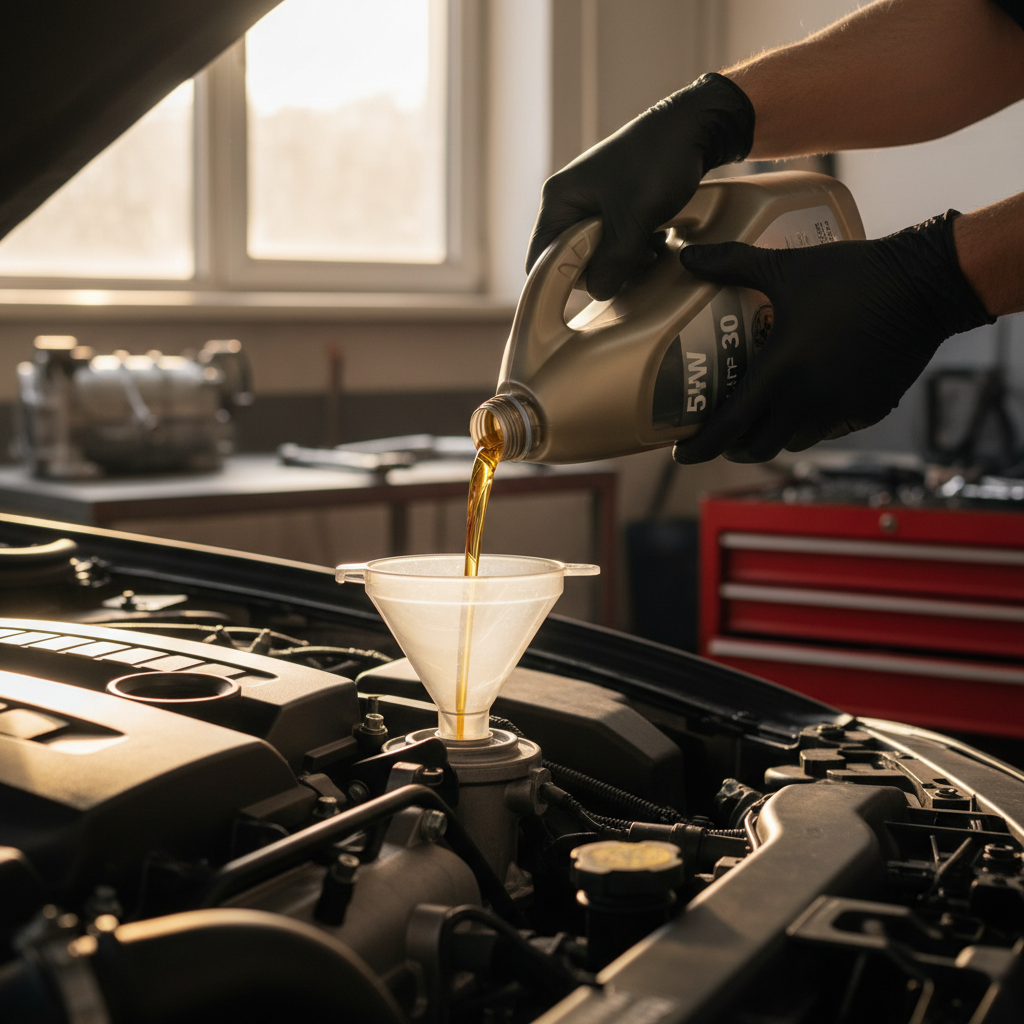
Oil is the lifeblood of your generator's engine, and maintaining the right oil level is essential. Check the oil level regularly, especially before using the generator for extended periods. Refer to the manufacturer's guidelines for the appropriate type and amount of oil your generator requires.
Changing the oil regularly is also important. A good rule of thumb is to change the oil after every 100 hours of use or at least once a year. Proper oil maintenance reduces friction and prevents wear, significantly extending the lifespan of your generator.
Battery Maintenance
The battery is a vital component of your generator, providing the initial power needed to start it. Ensure that the battery terminals are clean and free from corrosion. Corroded terminals can lead to poor connections and starting failures.
Regularly check the battery's charge level and electrolyte levels if applicable. A well-maintained battery ensures that your generator is always ready to power up when needed, avoiding unexpected downtime during critical moments.
Test the Generator Periodically
Running your generator periodically, even when it's not needed, helps keep it in top condition. This practice ensures that all components are working correctly and helps prevent issues caused by disuse. Aim to run the generator for about 30 minutes every month.

During these test runs, pay attention to any unusual noises or vibrations, which could indicate underlying mechanical problems. Addressing these issues early can prevent costly repairs down the line.
Store Properly When Not in Use
Proper storage is essential for maintaining your generator's longevity. When the generator is not in use for extended periods, store it in a dry, clean place. Protect it from moisture and extreme temperatures, which can cause rust and other damage.
Consider using a generator cover to shield it from dust and debris. Additionally, make sure to drain the fuel tank if you plan to store the generator for more than a month, as stale fuel can damage the engine.
Conclusion
By following these maintenance tips, you can significantly extend the lifespan of your generator. Regular inspections, oil changes, battery maintenance, periodic testing, and proper storage are all key to ensuring your generator remains reliable and efficient for years to come.
Investing a little time and effort into maintaining your generator will save you money on repairs and replacements, providing peace of mind that your power supply is secure when you need it most.