The Ultimate Guide to Choosing the Right Generator for Your Home


Understanding Your Power Needs
Choosing the right generator for your home begins with understanding your power needs. Start by making a list of essential appliances and devices you want to keep running during a power outage. This might include your refrigerator, heating system, lights, and any medical equipment.
Once you have a list, calculate the total wattage required to power these items. This will give you a baseline for the size of the generator you need. It's important to select a generator that can handle slightly more than your calculated wattage to ensure efficiency.
Types of Home Generators
There are several types of home generators, each suited to different needs and preferences. Understanding the differences will help you make an informed decision.
Portable Generators
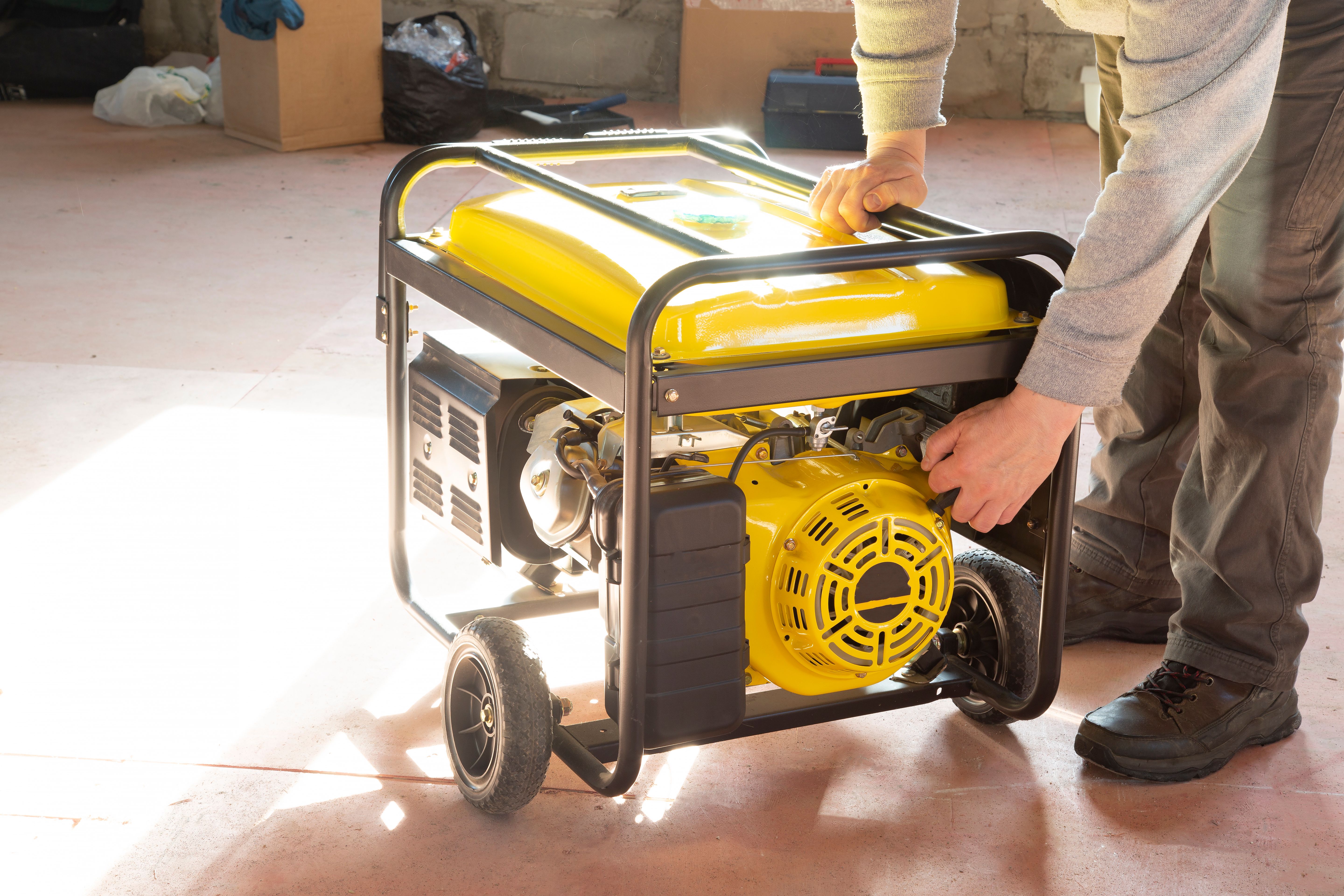
Portable generators are versatile and can be moved as needed. They are typically powered by gasoline and are a great option for temporary power outages. However, they need to be manually started and connected, which might be inconvenient during a storm.
Standby Generators
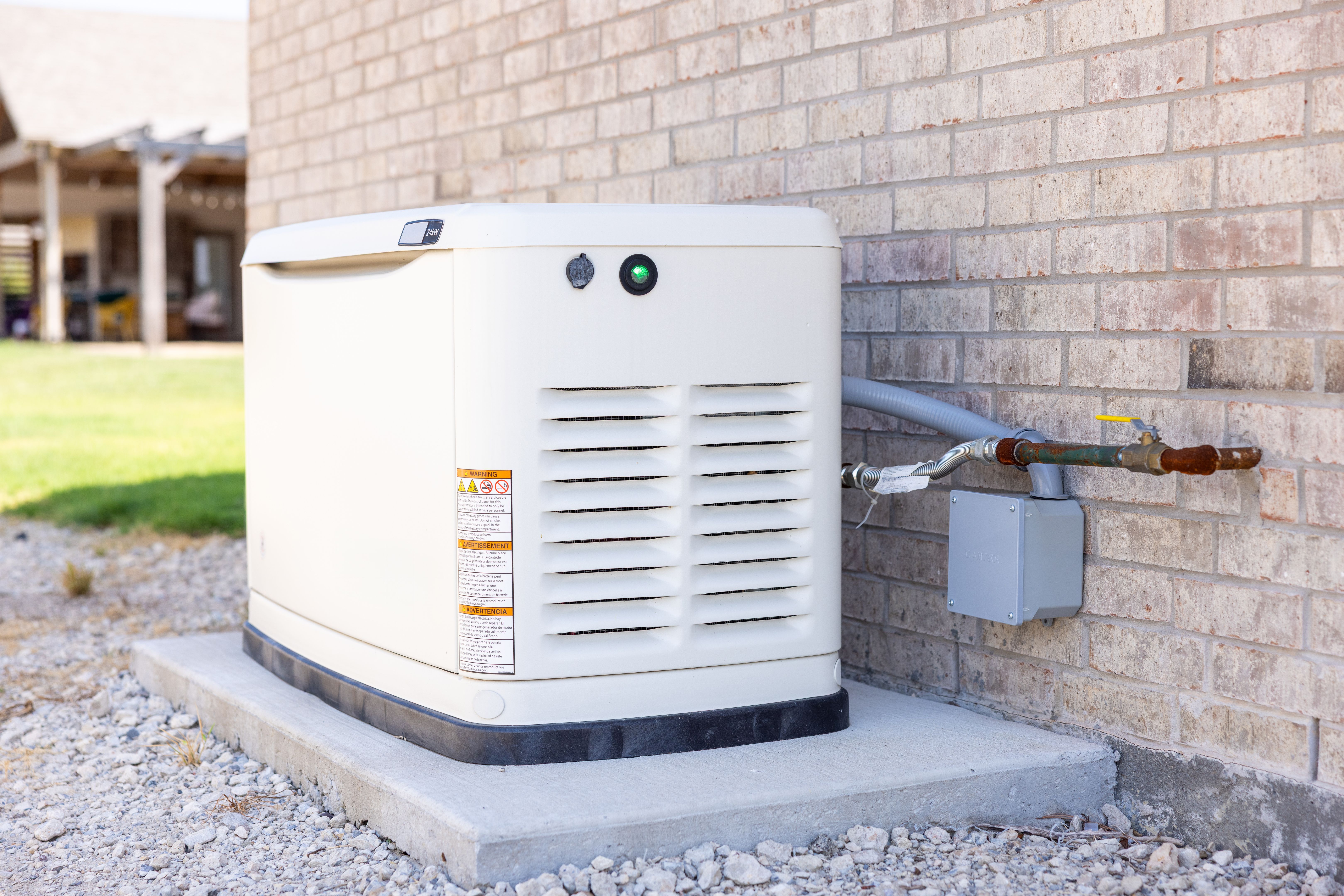
Standby generators are permanently installed outside your home. They automatically turn on when the power goes out and can run on natural gas or propane. These generators provide a seamless transition during outages and are ideal for homes that experience frequent power loss.
Fuel Considerations
Fuel type is an important consideration when selecting a generator. Common options include gasoline, propane, and natural gas. Each has its pros and cons, impacting cost, storage, and availability.
Gasoline is often readily available but can degrade over time, making it less ideal for long-term storage. Propane and natural gas, on the other hand, offer cleaner energy solutions and are better for standby generators.

Generator Features to Look For
Modern generators come with a variety of features that enhance convenience and safety. Look for models with electric start capabilities, which make it easier to power up the generator, especially in emergencies.
Consider generators with built-in inverter technology for stable power output, which is crucial for sensitive electronics. Noise level is another factor; quieter models will ensure comfort, especially in residential areas.
Installation and Maintenance
Proper installation is key to the efficient and safe operation of your generator. Standby generators should be installed by a professional to ensure they comply with local codes and regulations. Regular maintenance, such as oil changes and filter replacements, will prolong the life of your generator.
Refer to the manufacturer's guidelines for specific maintenance schedules and procedures. Keeping your generator in top condition will ensure it operates when you need it most.
Budgeting for Your Generator
Generators can range in price based on type, size, and features. It's crucial to balance your budget with your power needs. While portable generators are generally more affordable, standby generators offer convenience and reliability, justifying their higher cost.
Consider long-term savings and peace of mind when investing in a generator. The right choice will provide security and comfort during power outages.