The Ultimate Guide to Choosing the Right Generator for Your Home


Understanding Your Power Needs
Choosing the right generator for your home starts with understanding your power requirements. Assessing the wattage needed to run essential appliances during an outage is crucial. Common essentials include refrigerators, lights, and heating systems. Calculate your total wattage to determine the size of the generator you need.
Types of Home Generators
There are primarily two types of generators suitable for home use: portable and standby. Portable generators are cost-effective and versatile, making them a popular choice for short-term power needs. Standby generators, on the other hand, are permanently installed and automatically provide power during an outage, offering a seamless experience.
Portable Generators
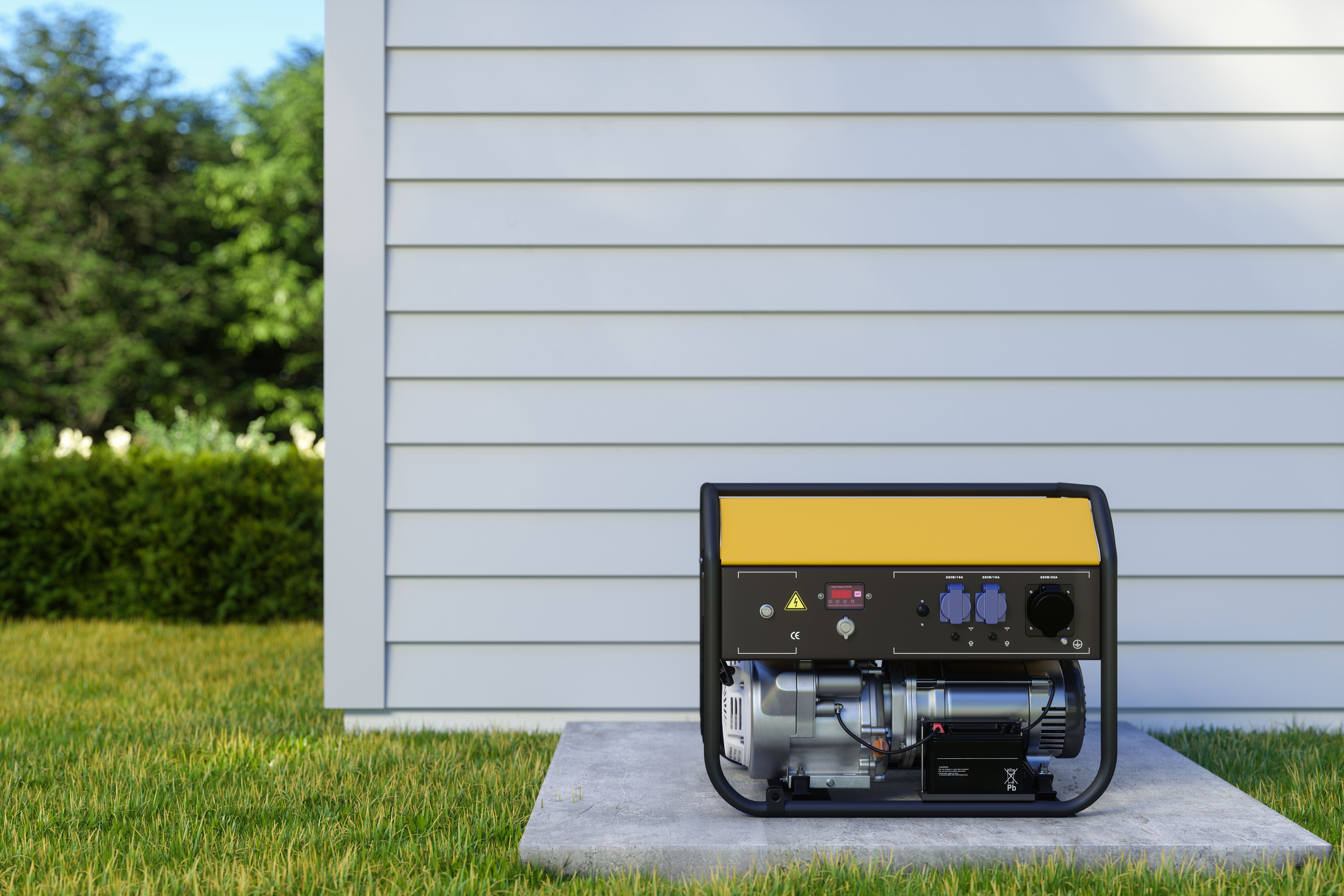
Portable generators are typically powered by gasoline and are easy to move around. They are ideal for temporary power needs and can be stored when not in use. However, they require manual setup and regular refueling.
Standby Generators
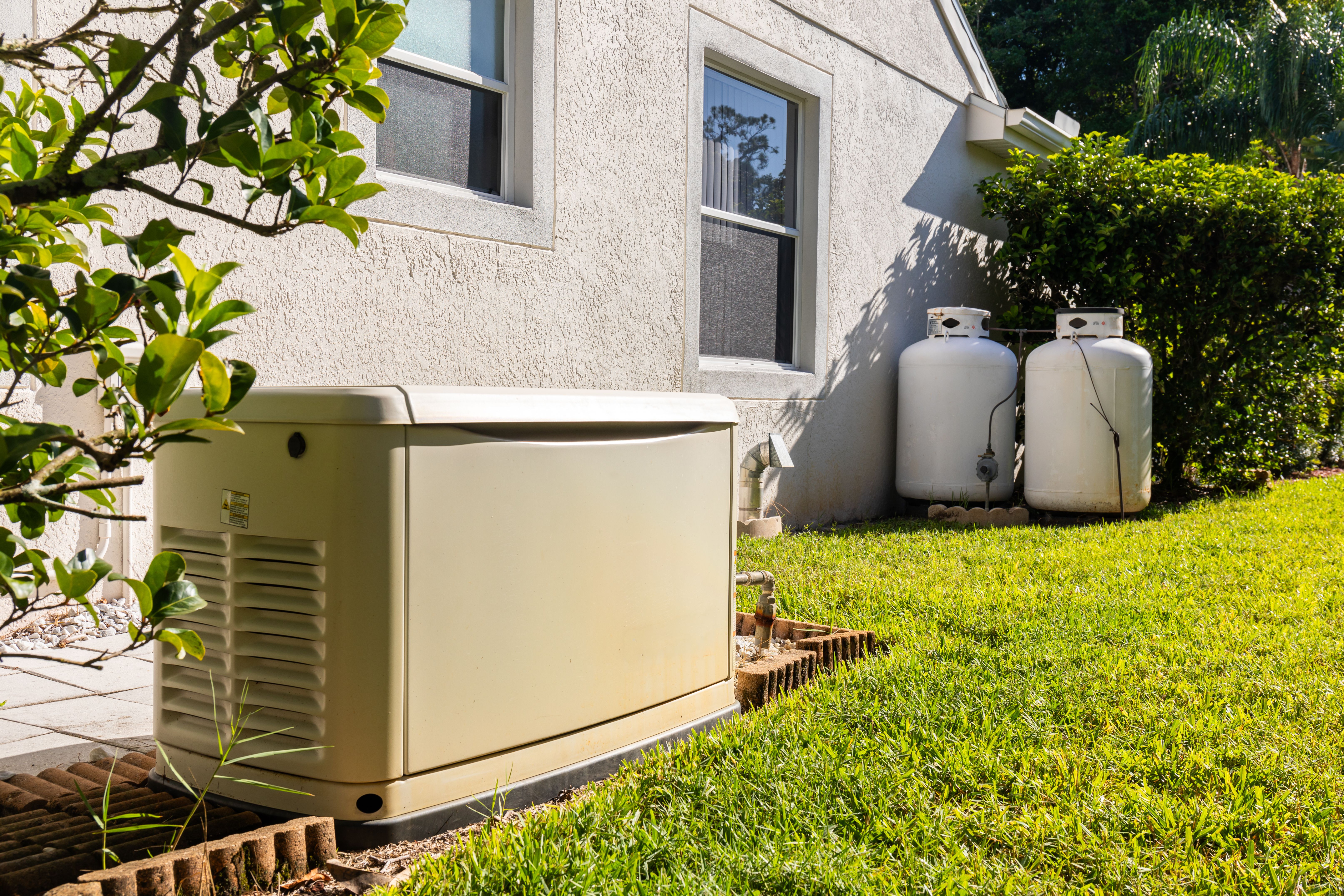
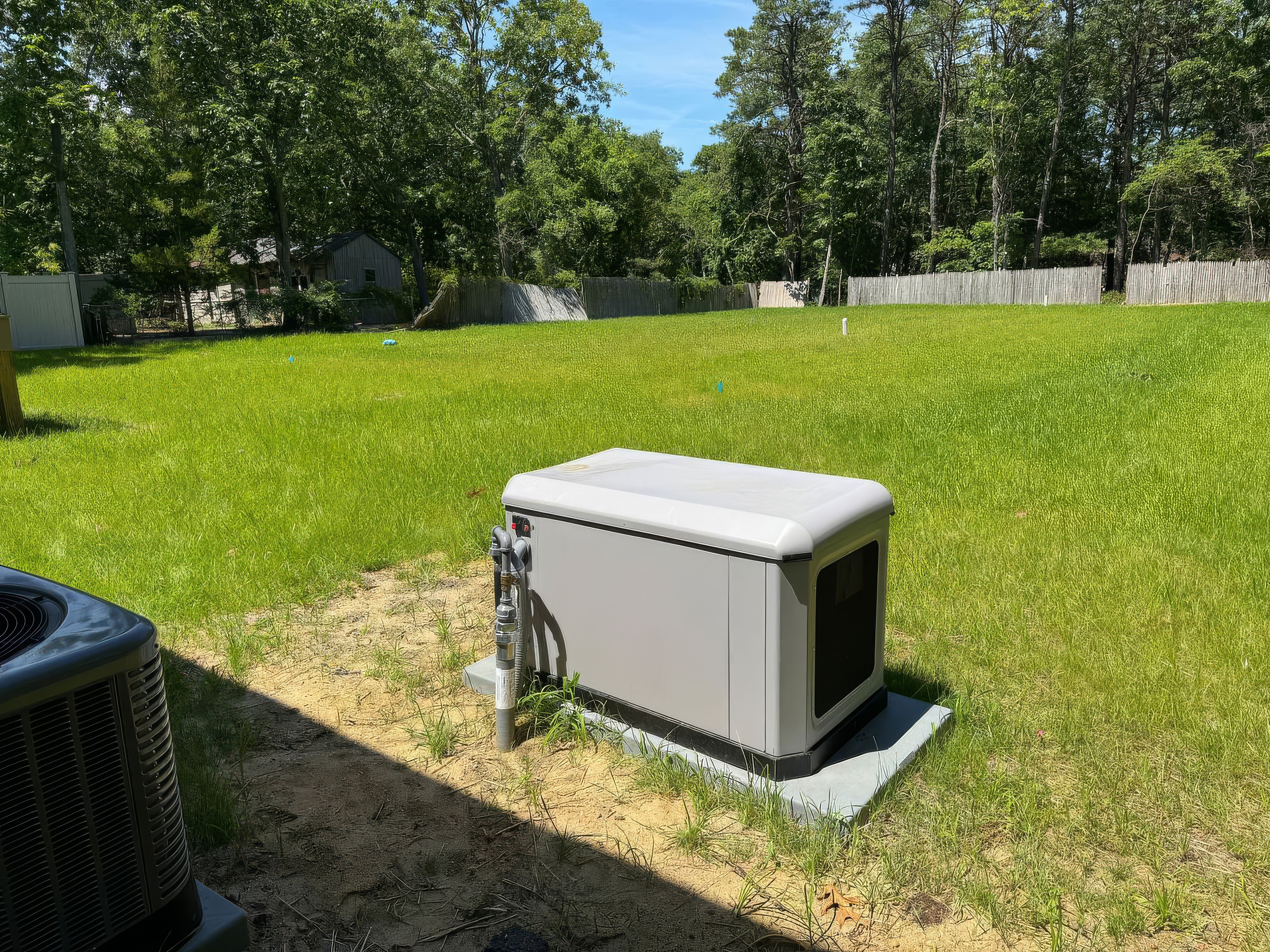
Standby generators are connected directly to your home’s electrical system and powered by natural gas or propane. These generators automatically turn on during an outage and require professional installation, making them a more expensive but convenient option.
Fuel Types and Efficiency
The type of fuel your generator uses can impact its efficiency and cost. Common fuel options include gasoline, propane, and natural gas. Gasoline is widely available but can be costly over time. Propane is cleaner and has a longer shelf life, while natural gas provides a continuous fuel supply.
Considerations for Noise Levels
Noise level is an important factor when selecting a generator, especially if you live in a densely populated area. Portable generators tend to be noisier, while standby models are designed to operate more quietly. Check the decibel rating to ensure it meets your comfort level.
Installation and Maintenance
Proper installation and maintenance are crucial for the safe operation of your generator. Standby generators require professional installation, including connecting to your home's electrical system. Regular maintenance, such as oil changes and filter replacements, ensures longevity and reliability.
Budget Considerations
Finally, consider your budget. Portable generators are generally more affordable, with prices ranging from a few hundred to a few thousand dollars. Standby generators are a larger investment, often costing several thousand dollars but providing greater convenience and reliability.
By evaluating your power needs, understanding the different types of generators, and considering factors like fuel type and noise level, you can confidently choose the right generator for your home.