Myths About Generator Safety: What You Need to Know


Understanding Generator Safety Myths
Generators are invaluable during power outages, but misconceptions about their safety can lead to dangerous situations. It’s essential to separate fact from fiction to ensure you and your family remain safe.

Myth 1: Generators Can Be Used Indoors
A common and dangerous myth is that generators can be used inside homes or garages. However, running a generator indoors can lead to carbon monoxide poisoning. Always use generators outdoors, away from windows and doors, to prevent toxic fumes from entering living spaces.
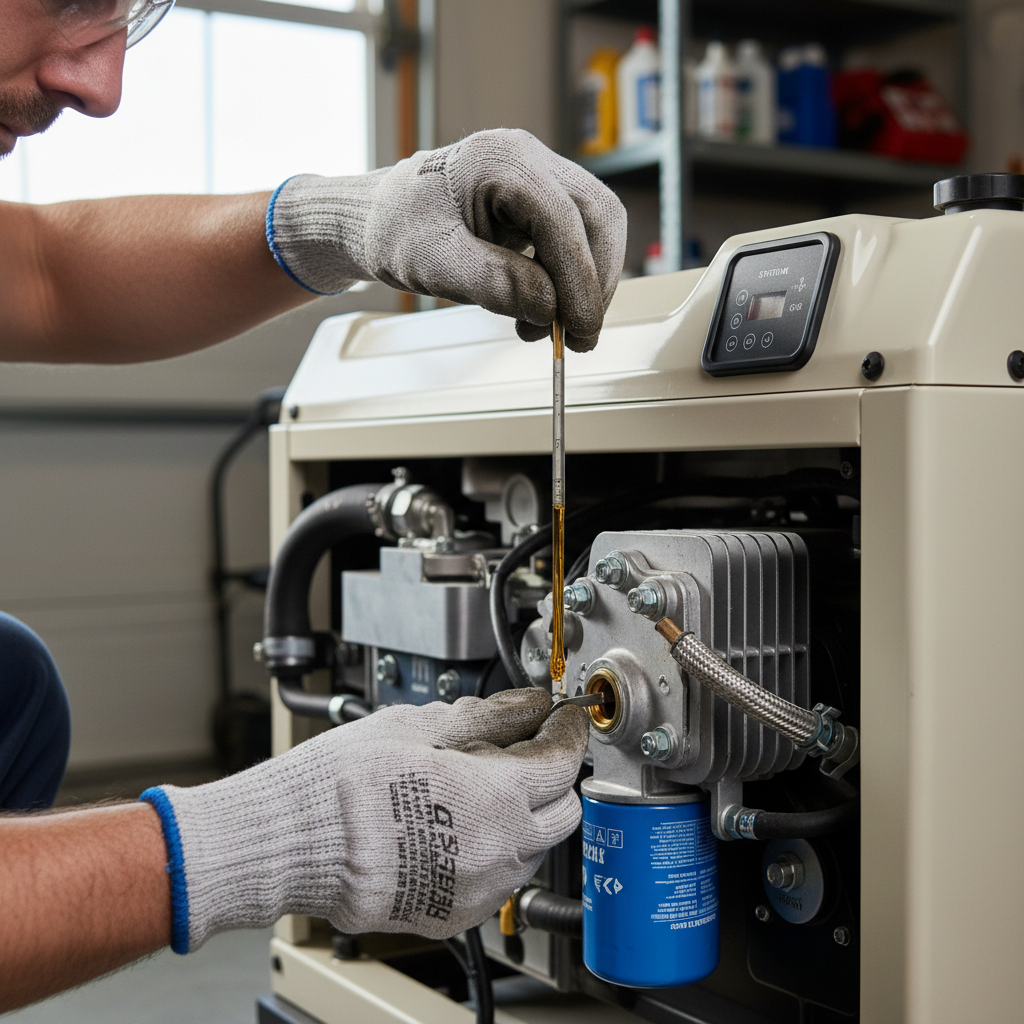
Myth 2: Generators Don’t Need Maintenance
Another myth is that generators are maintenance-free. In reality, regular upkeep is crucial for safe operation. This includes checking oil levels, inspecting fuel lines, and cleaning air filters. Regular maintenance ensures your generator runs efficiently and safely.
Myth 3: Extension Cords Are Safe for All Appliances
Some believe any extension cord can connect a generator to appliances. However, using the wrong extension cord can cause overheating and fires. Always use heavy-duty, outdoor-rated cords with adequate wattage ratings for the connected devices.
Proper Usage and Safety Tips
Understanding the proper use of generators is vital. Here are some essential safety tips:
- Position the generator at least 20 feet away from your home.
- Install a carbon monoxide detector in your home to monitor air quality.
- Follow the manufacturer's instructions for setup and operation.

Myth 4: Any Fuel Can Be Used
Assuming that any type of fuel can power a generator is a risky misconception. Generators are designed for specific fuel types, such as gasoline, diesel, or propane. Using the wrong fuel can damage the unit and pose safety hazards. Always check the manufacturer’s recommendations.
Myth 5: Generators Are Safe in Wet Conditions
Generators should never be used in wet conditions as water can cause electrical shocks or damage the equipment. Use a canopy or tent designed for generator use to protect the device from rain while ensuring it remains well-ventilated.

Conclusion: Stay Informed and Safe
By debunking these myths and following safety guidelines, you can effectively use your generator without unnecessary risks. Staying informed about generator safety is crucial for protecting your home and loved ones during power outages.