How to Prepare Your Generator for Winter: Essential Maintenance Tips


Understanding the Importance of Generator Maintenance
As winter approaches, ensuring your generator is in optimal working condition is crucial. A well-maintained generator can be a lifesaver during unexpected power outages, keeping your home warm and your appliances running smoothly. Regular maintenance not only extends the life of your generator but also ensures it functions efficiently when you need it the most.
Inspecting and Cleaning Your Generator
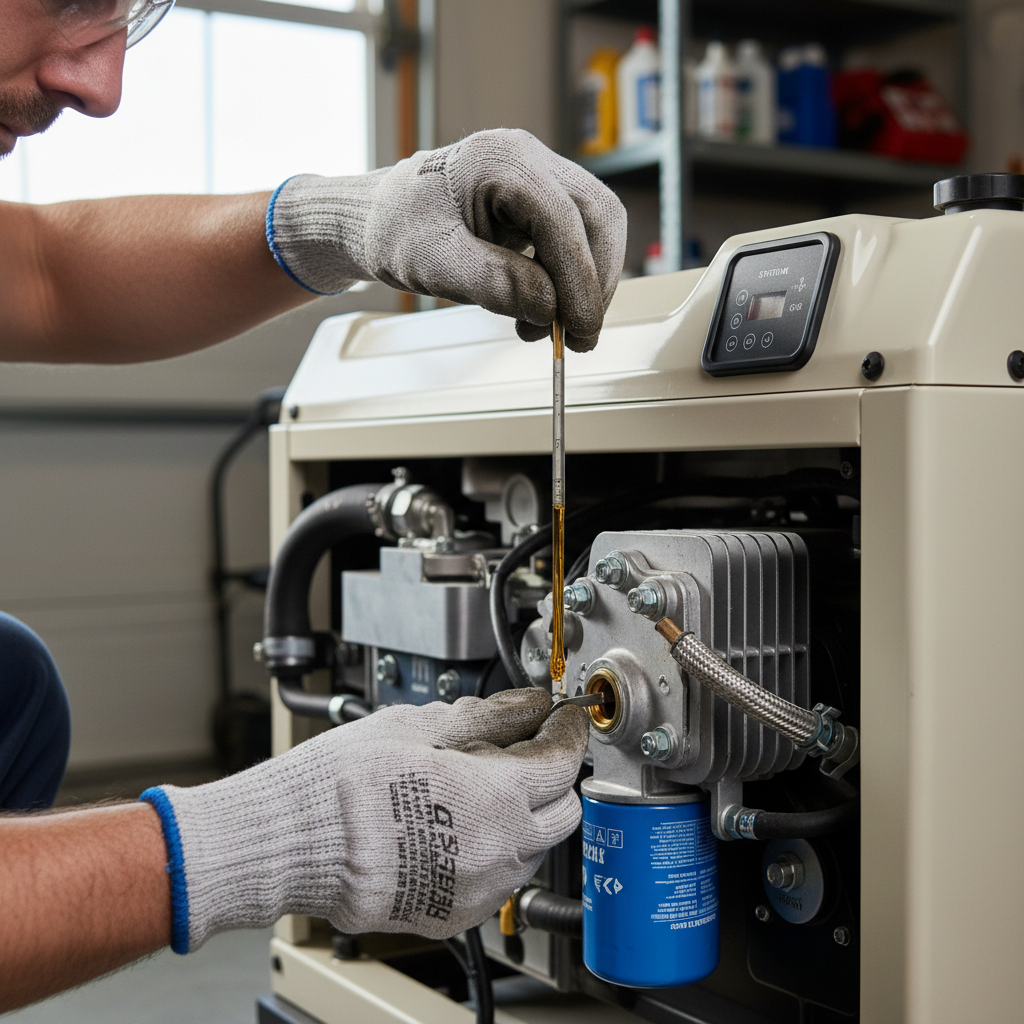
One of the first steps in preparing your generator for winter is to thoroughly inspect it. Check for any visible signs of wear and tear, such as frayed wires or corroded components. It's also essential to clean the generator, removing any dust or debris that may have accumulated. A clean generator operates more efficiently and is less prone to overheating.
Use a soft brush or compressed air to gently clean the generator's exterior and interior components. Pay special attention to the air filter, as a clogged filter can restrict airflow and reduce performance.
Checking Fuel and Oil Levels
Ensuring that your generator has adequate fuel and oil levels is vital for its operation during winter. Start by checking the fuel tank for any leaks or signs of corrosion. If your generator uses gasoline, consider adding a fuel stabilizer to prevent the fuel from degrading over time.
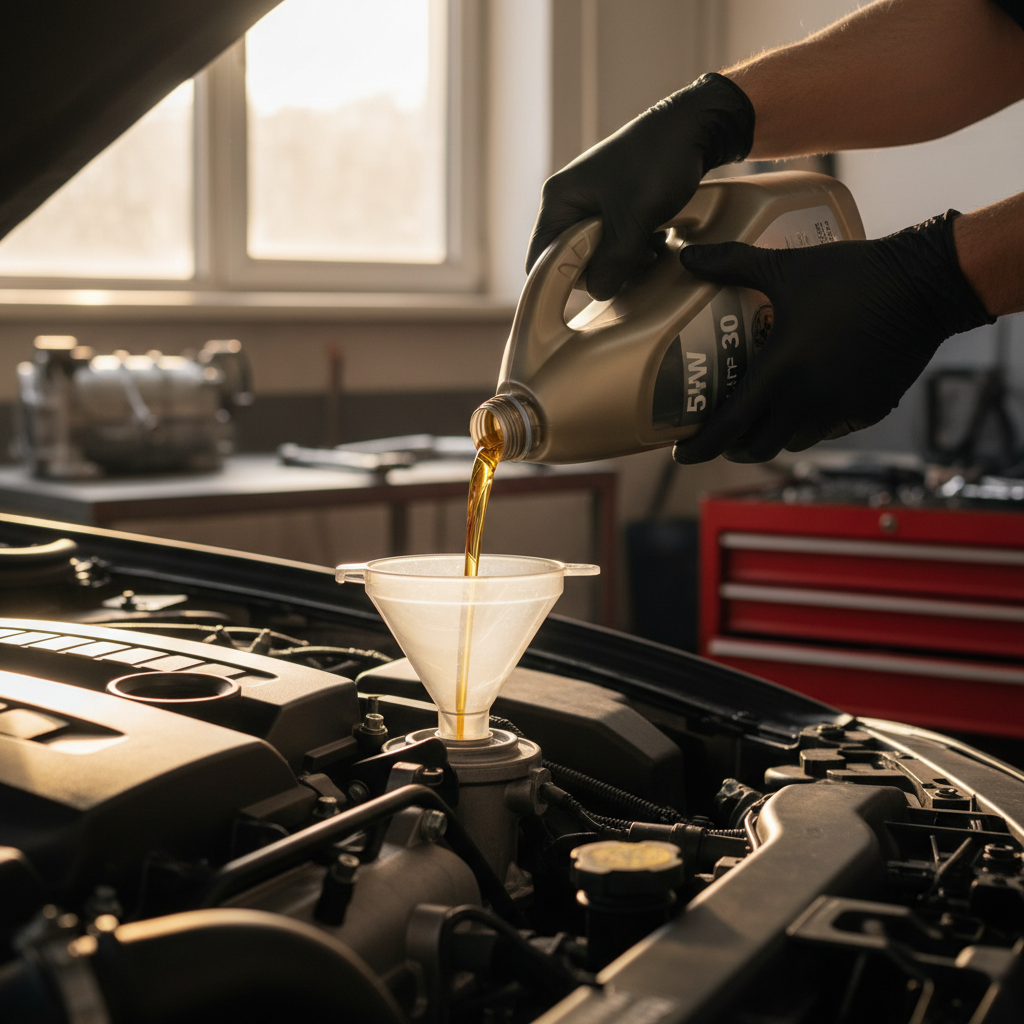
Next, check the oil level and change it if necessary. Regular oil changes help maintain the engine's health and improve overall performance. Refer to your generator's manual for specific recommendations on oil type and change intervals.
Testing the Battery
The battery is a critical component of your generator, especially in cold weather. Test the battery to ensure it holds a charge and is free from corrosion. Clean the battery terminals and apply a protective coating to prevent rust.
If your battery is more than a few years old, it might be time to replace it. A reliable battery ensures your generator starts promptly when you need it most.
Ensuring Proper Ventilation
Proper ventilation is essential for safe generator operation. Make sure your generator is placed in a well-ventilated area to prevent dangerous carbon monoxide buildup. Avoid operating the generator in enclosed spaces such as garages or basements.
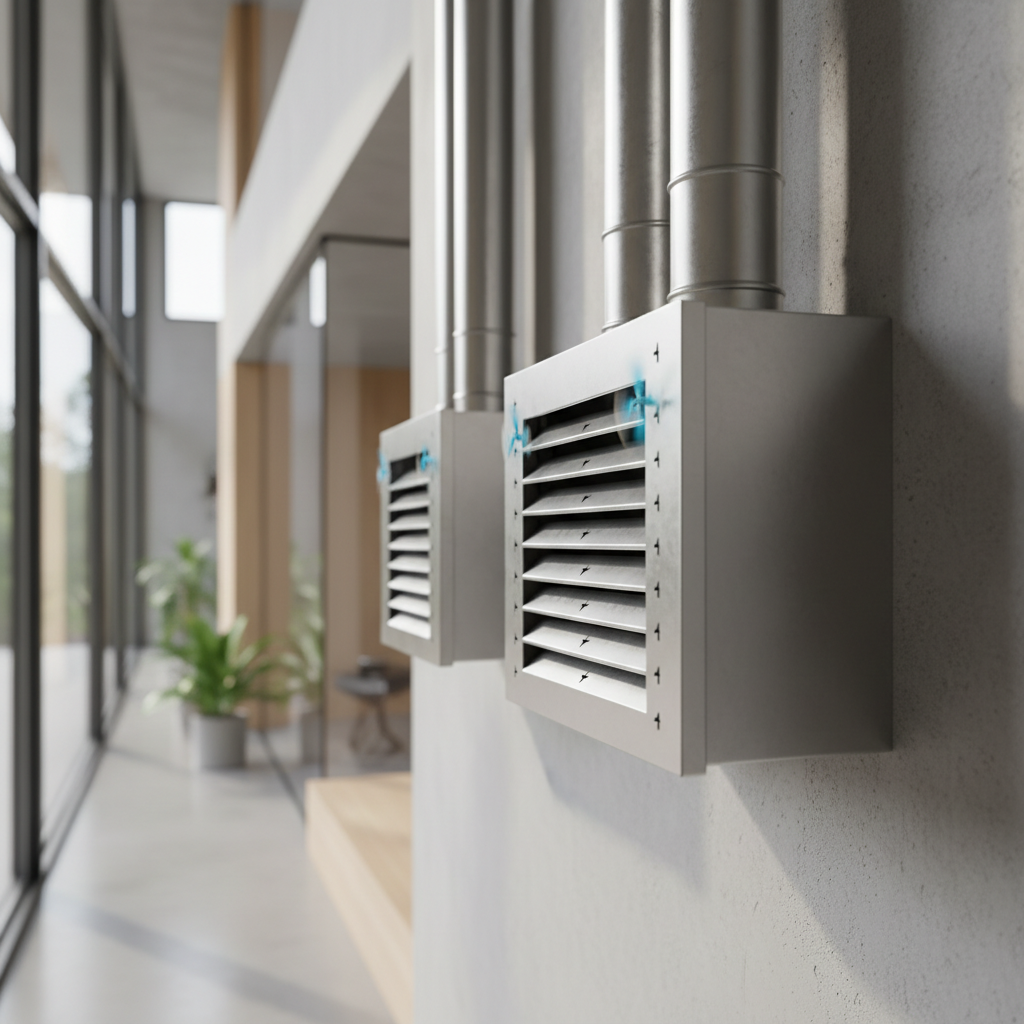
Additionally, check that the exhaust system is free from blockages and in good condition. A clear exhaust system ensures harmful gases are safely expelled.
Scheduling Professional Maintenance
While regular DIY maintenance is important, scheduling a professional inspection before winter is also a good idea. A certified technician can identify potential issues that may not be immediately apparent and provide comprehensive maintenance services.
Professional maintenance includes checking the generator's electrical system, calibrating controls, and testing load capacity. This thorough inspection ensures your generator is winter-ready.
By following these essential maintenance tips, you can prepare your generator for the challenges of winter. Regular upkeep not only ensures reliable performance but also gives you peace of mind during the cold months ahead.