How to Prepare Your Generator for Extreme Weather Conditions


Understanding Your Generator's Role
Generators are vital during extreme weather conditions, providing a reliable power source when the grid fails. To ensure your generator functions optimally when needed, regular maintenance is crucial. Preparing in advance can save you from unexpected disruptions.
Whether you own a portable generator or a standby unit, understanding its importance and role during emergencies will help you prioritize its upkeep. A well-prepared generator can be a lifeline during storms, hurricanes, or blizzards.
Routine Maintenance Checks
Inspecting and Cleaning
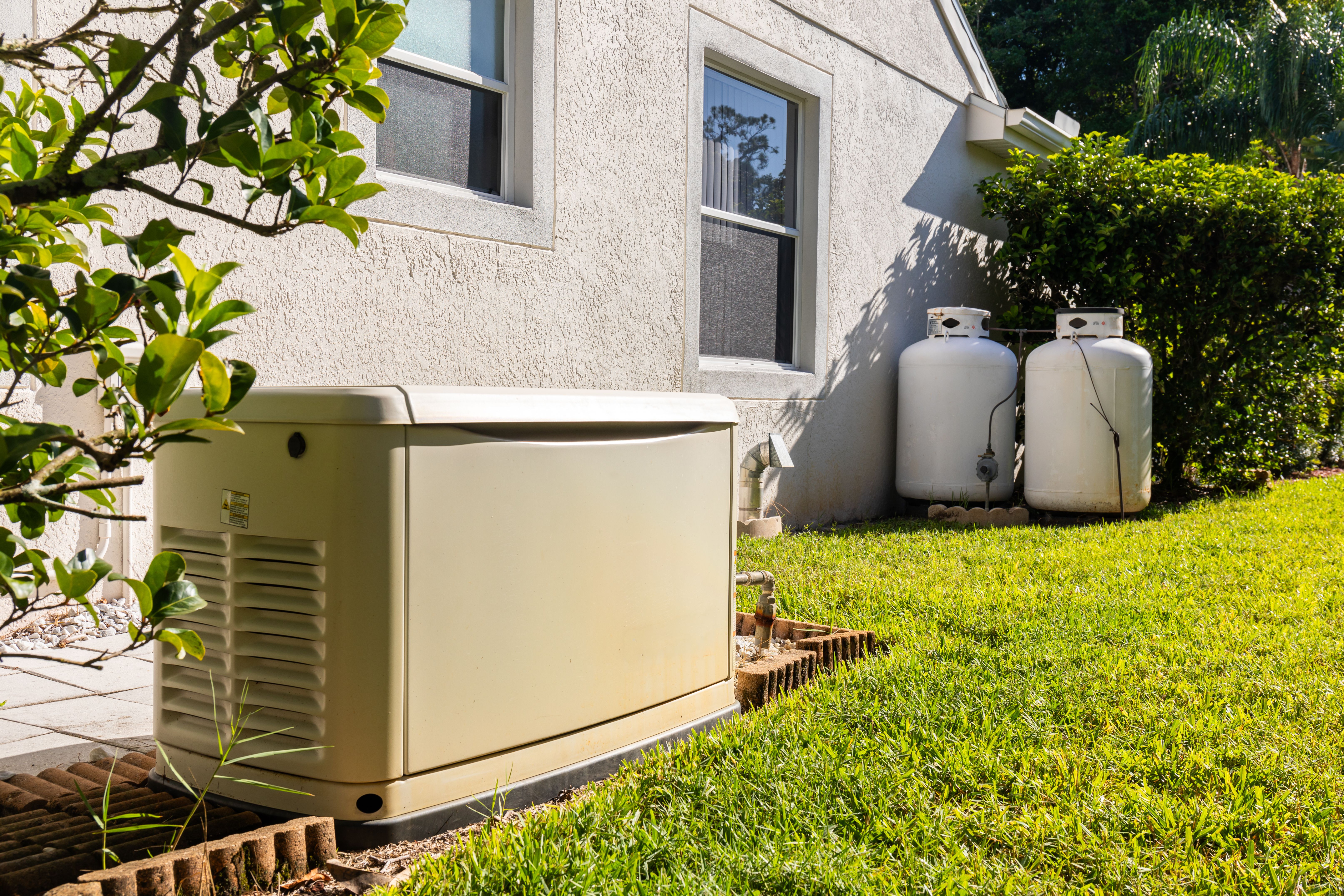
Begin by inspecting your generator for any visible wear and tear. Check for loose wires, corrosion, and fuel leaks. Cleaning your generator regularly will prevent dust and debris from affecting its performance. Use a soft brush or cloth to clean the exterior and ensure the air vents are free from obstructions.
Testing the Battery
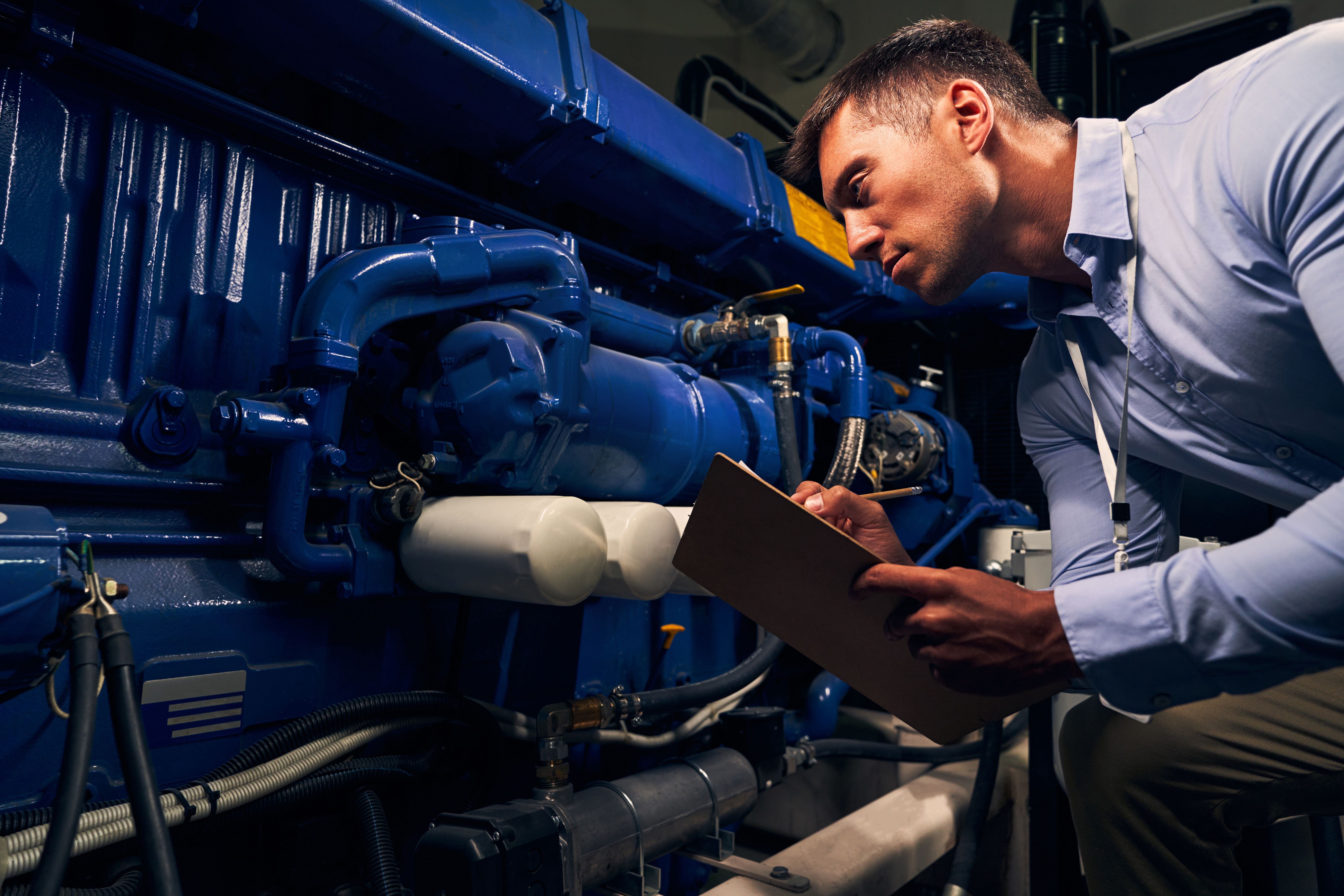
The battery is a critical component of your generator. Test it monthly to ensure it's holding a charge. If the battery is over three years old, consider replacing it to avoid failures during crucial times. Regular testing will give you peace of mind knowing your generator is ready to run.
Fuel Management
Choosing the Right Fuel
Using the correct fuel is essential for your generator's efficiency. Refer to the manufacturer’s guidelines to ensure you're using the recommended type. Storing extra fuel safely is also important, especially if you anticipate prolonged use during extreme weather.
Fuel Stabilization
Fuel can degrade over time, leading to engine problems. Adding a fuel stabilizer can extend its shelf life, keeping your generator ready for activation. Follow product instructions carefully to achieve the best results.
Preparing for Specific Weather Conditions
Storms and Hurricanes
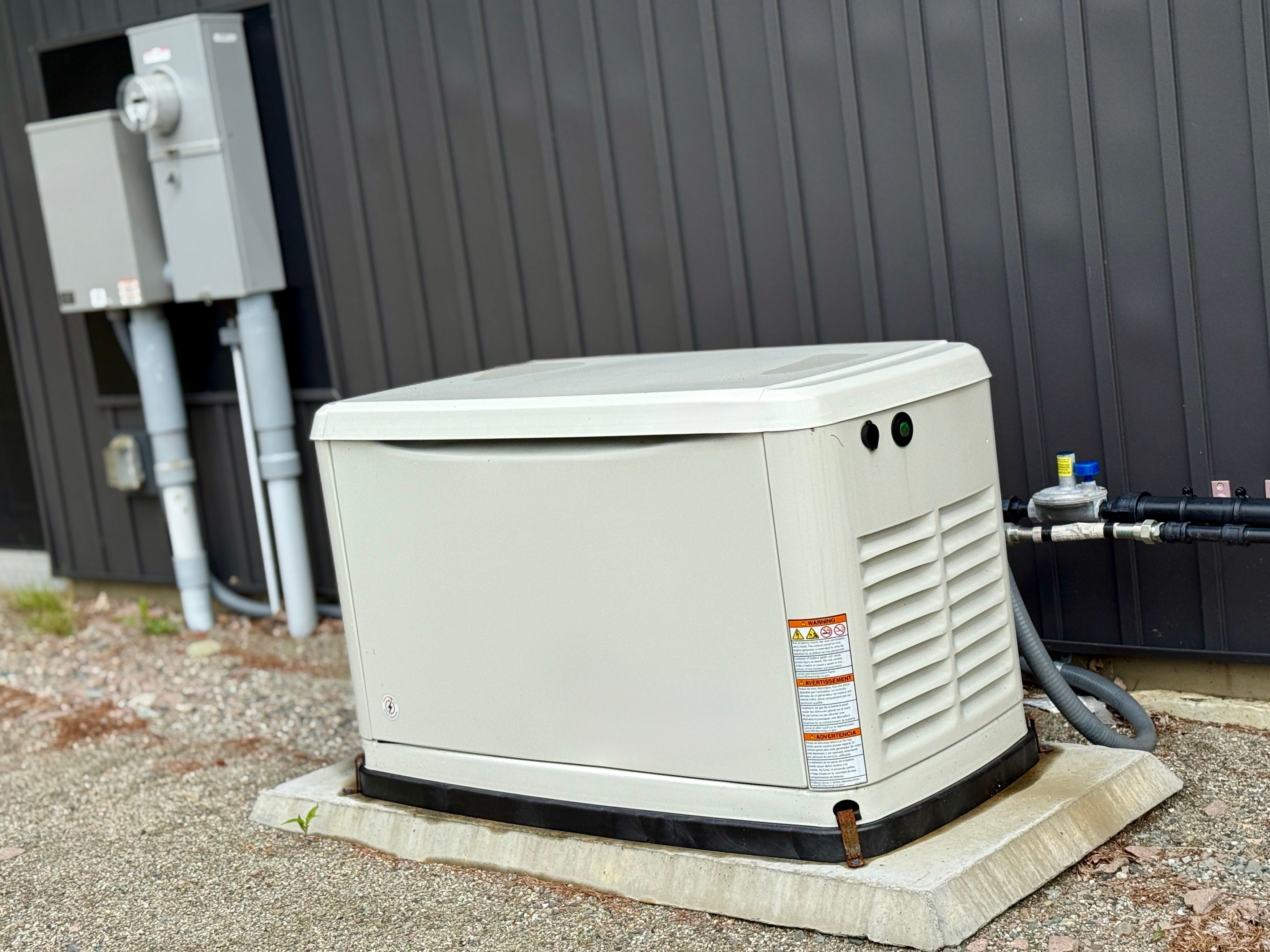
Position your generator in a safe, dry location, away from open windows and doors. Secure it with a cover that allows ventilation while protecting it from rain and debris. Ensure extension cords are rated for outdoor use and long enough to connect appliances safely.
Cold Weather
In freezing temperatures, it’s crucial to keep your generator warm. Store it in a heated area or use an engine block heater to prevent cold-start issues. Keep the oil fresh and appropriate for low temperatures, as recommended by the manufacturer.
Final Preparations
Before extreme weather hits, run your generator for a short period to confirm everything is working correctly. This test run allows you to identify any last-minute issues and address them proactively. Having a checklist can ensure no steps are missed in your preparation.
By following these guidelines, you’ll be better equipped to handle any weather conditions, knowing your generator is ready to provide power when you need it most. Regular maintenance not only extends the life of your generator but also ensures your peace of mind during emergencies.