How to Install a Standby Generator: A Step-by-Step Guide


Understanding Standby Generators
A standby generator is an essential backup power source for your home during unexpected outages. It automatically kicks in when the power goes out, ensuring that your vital appliances and systems remain operational. Installing a standby generator requires careful planning and execution to ensure safety and efficiency.
Choosing the Right Generator
Before installation, it's crucial to select a generator that fits your power needs. Consider the wattage required for essential appliances and systems you want to keep running during a power outage. Consulting with a professional can help determine the appropriate size and type of generator for your home.
Types of Standby Generators
Standby generators come in various types, including natural gas, diesel, and propane models. Each has its own advantages and considerations, such as fuel availability and cost. Natural gas generators are popular for their convenience and continuous fuel supply.

Preparing for Installation
Once you've chosen a generator, it’s time to prepare for installation. First, check local regulations and obtain any necessary permits. Also, decide on a suitable location for the generator—ideally, close to the fuel supply and electrical connections, but away from windows and doors to minimize noise and exhaust intrusion.
Site Preparation
Prepare a stable and level surface for the generator. This might involve pouring a concrete pad or using a prefabricated base. Ensure the site has proper drainage to prevent water accumulation around the generator.

Installation Process
It’s highly recommended to hire a licensed electrician and a plumber to handle the installation. They will ensure that the electrical and fuel systems are properly connected and compliant with safety standards.
Connecting the Generator
The electrician will connect the generator to your home's electrical system, typically through an automatic transfer switch. This switch ensures that the generator automatically turns on during a power outage and switches back to the main grid when power is restored.
Testing and Maintenance
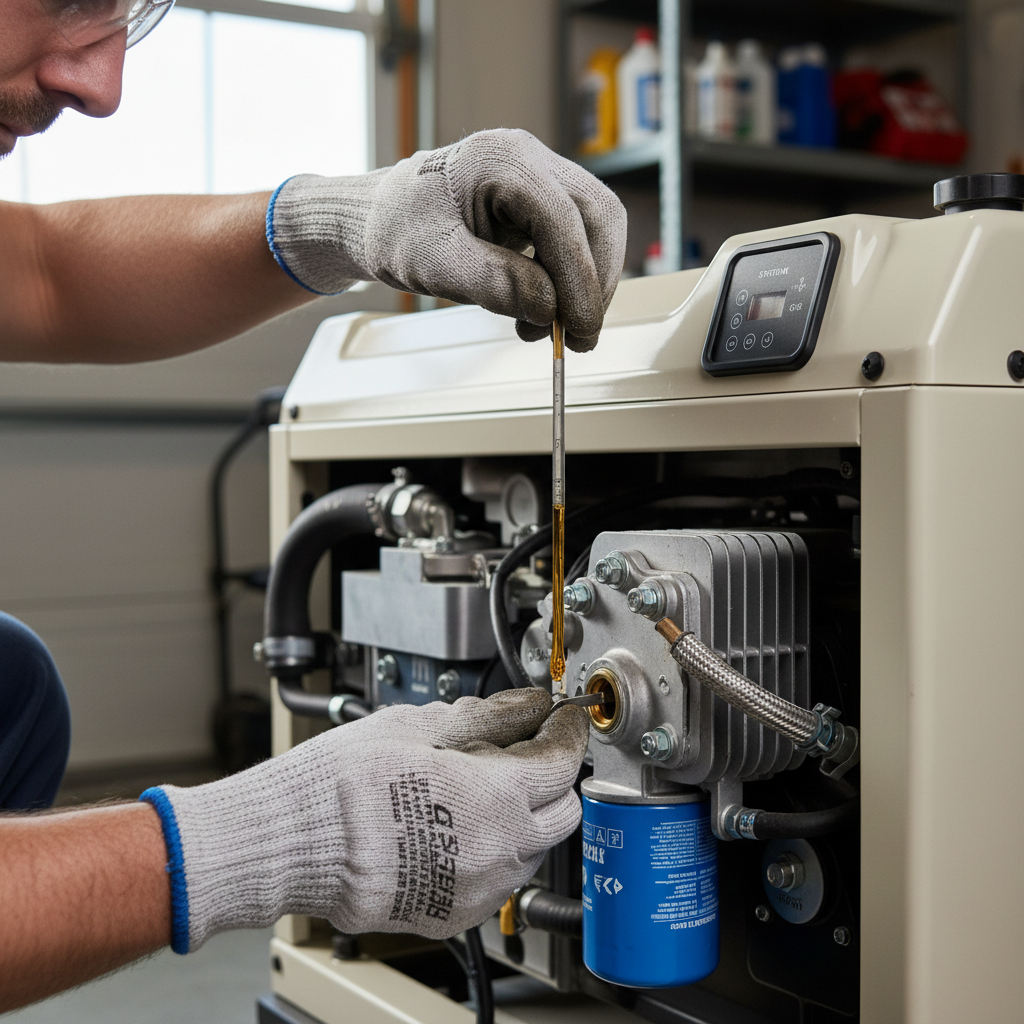
After installation, thoroughly test the generator to ensure it operates correctly. Regular maintenance is crucial to keep the generator in top condition. This includes checking the oil level, inspecting the fuel system, and running the generator periodically.
Emergency Preparedness
Having a standby generator is an integral part of your emergency preparedness plan. Ensure all family members are familiar with its operation and safety protocols. Keep a supply of essential items like oil filters and spark plugs on hand for quick maintenance.
Conclusion
Installing a standby generator is an investment in your home's resilience and comfort during power outages. By following these steps and consulting with professionals, you can ensure a safe and effective installation. Remember, proper installation and regular maintenance are key to the long-term reliability of your generator.