How Local Weather Impacts Generator Performance and Selection


The Importance of Weather in Generator Performance
When selecting a generator, understanding how local weather conditions impact its performance is crucial. Different climates present unique challenges, affecting everything from fuel efficiency to maintenance schedules. Choosing the right generator can ensure reliability and longevity, even in the harshest environments.
Generators operate differently depending on the climate. For instance, a generator that performs well in a temperate region might struggle in extreme heat or cold. These varying conditions necessitate a tailored approach to generator selection and maintenance.
Temperature Extremes and Their Effects
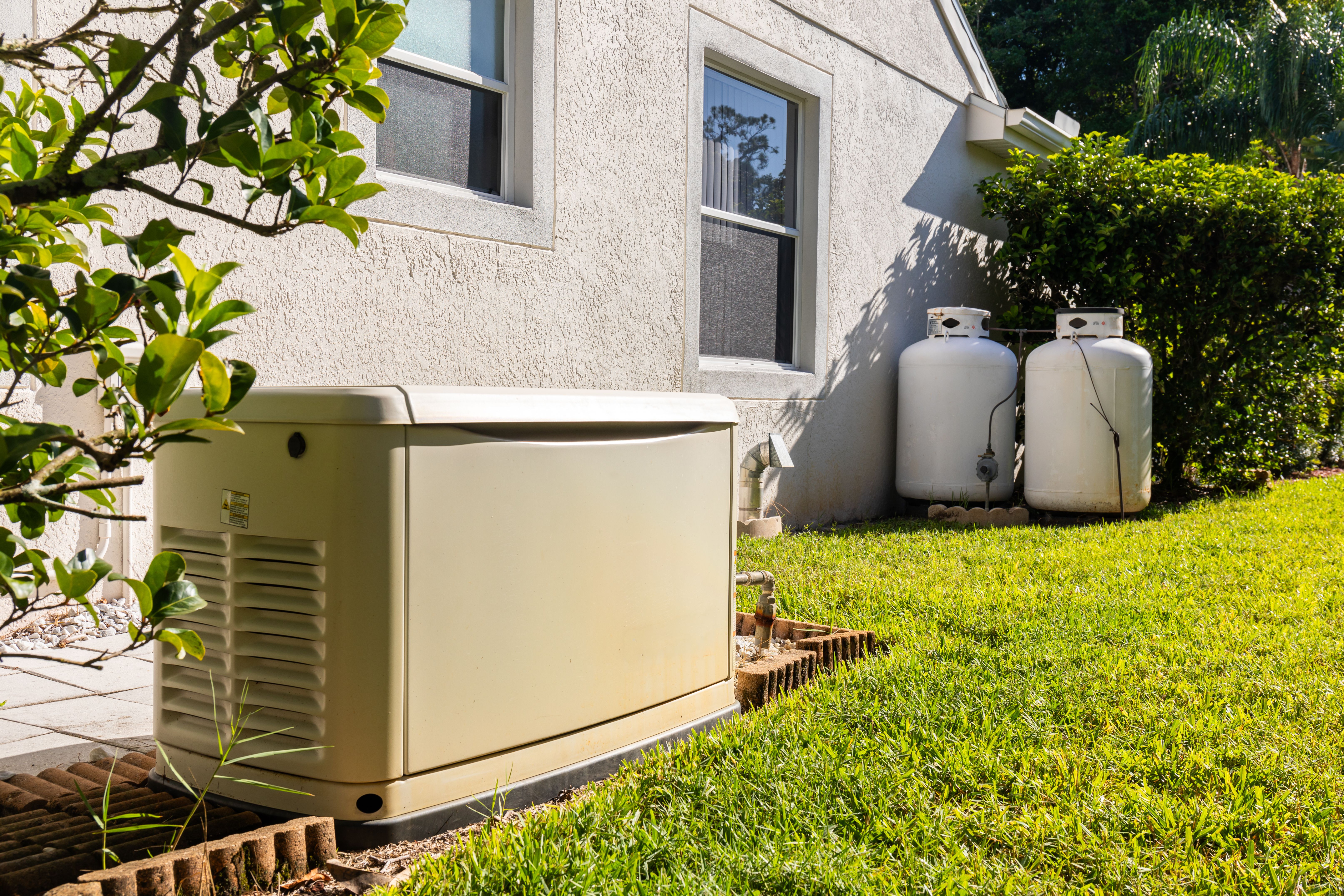
Extremely high temperatures can cause a generator to overheat, leading to potential damage and reduced efficiency. Conversely, in cold climates, generators may struggle to start and maintain optimal performance. It's essential to consider these factors when selecting a generator to ensure it can withstand the local temperature range.
To combat these issues, some generators come equipped with features like cooling systems for hot climates or block heaters for colder regions. These additions can enhance performance and prevent common temperature-related issues.
Humidity and Moisture Concerns
Humidity and moisture can significantly impact generator performance. In humid environments, generators are more susceptible to rust and corrosion, which can lead to mechanical failures. It's important to select a generator with protective coatings and to perform regular maintenance checks.
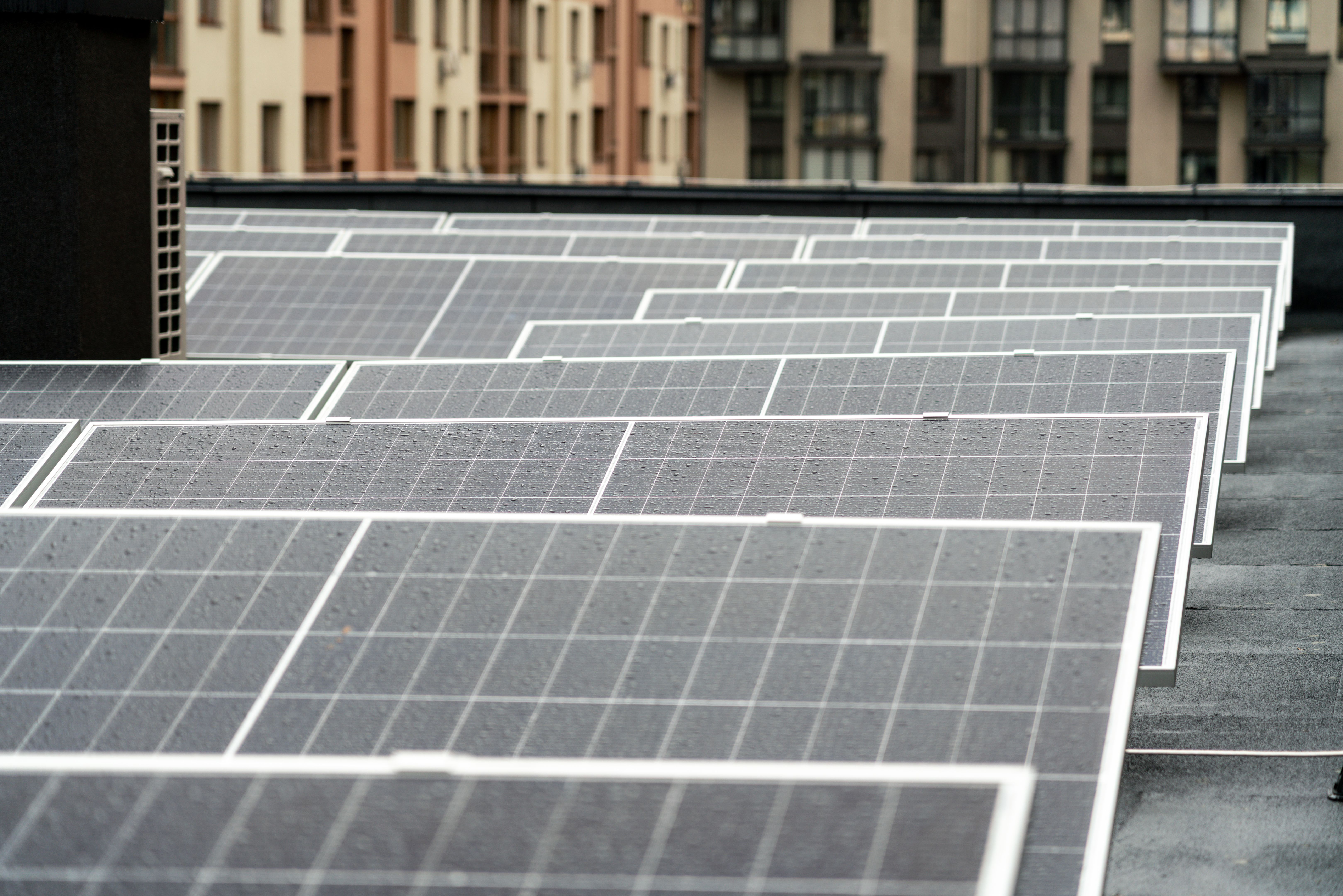
Additionally, moisture can affect the electrical components of a generator. Ensuring that your generator is housed properly and protected from the elements can mitigate these risks.
Wind and Storm Preparedness
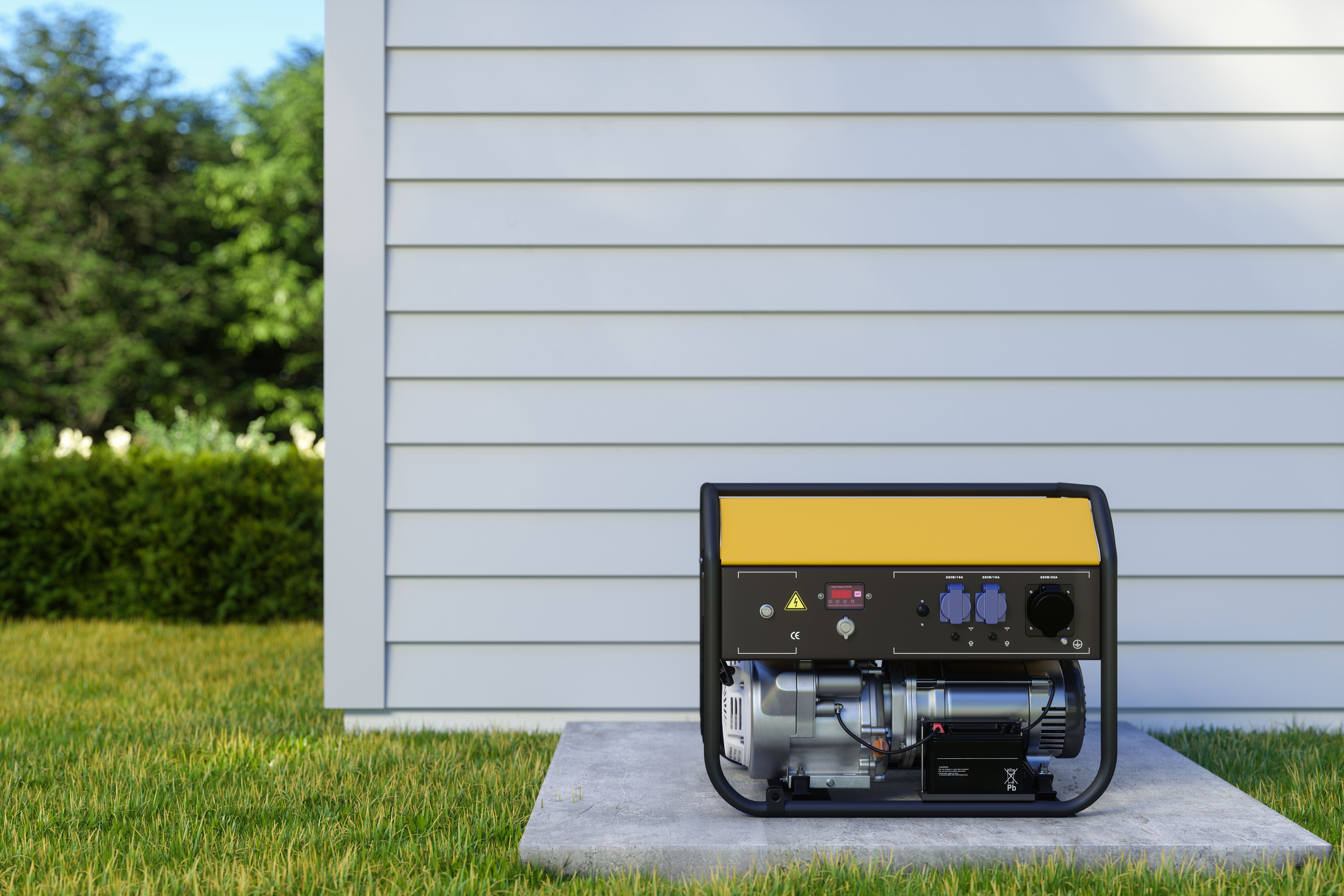
In areas prone to high winds and storms, generators must be robust and securely installed. Strong winds can damage external components or even topple improperly secured units. Selecting a generator with a sturdy frame and proper anchoring is essential.
Storm-Ready Features
- Automatic Transfer Switch (ATS) for seamless power supply transition.
- Weatherproof enclosures to protect against rain and debris.
- Remote monitoring systems to ensure functionality during storms.
Considerations for Altitude
Operating a generator at high altitudes can also pose challenges. Thin air can affect engine performance and reduce power output. Generators designed for high-altitude operation often include modifications to maintain efficiency.
When selecting a generator for high-altitude use, look for features such as altitude-adjustable carburetors or fuel injection systems that compensate for the thinner air.
Conclusion
Understanding the impact of local weather on generator performance is vital for making informed decisions. By considering temperature, humidity, wind, and altitude, you can select a generator that meets your specific needs and ensures reliable performance year-round.
Regular maintenance and weather-specific features can further enhance a generator's durability and efficiency, providing peace of mind regardless of the climate.