Expert Tips for Installing a Backup Generator Safely


Understanding the Importance of a Backup Generator
In today's world, where power outages can disrupt daily life and business operations, having a backup generator is essential. These devices provide a reliable source of electricity during emergencies, ensuring that your home or business remains functional. However, installing a backup generator requires careful planning and expertise to ensure it operates safely and efficiently.
Before diving into the installation process, it's crucial to understand your power needs. Assess the essential appliances and systems you want to keep running during an outage. This evaluation will help you choose the right size and type of generator for your needs.
Choosing the Right Location for Installation
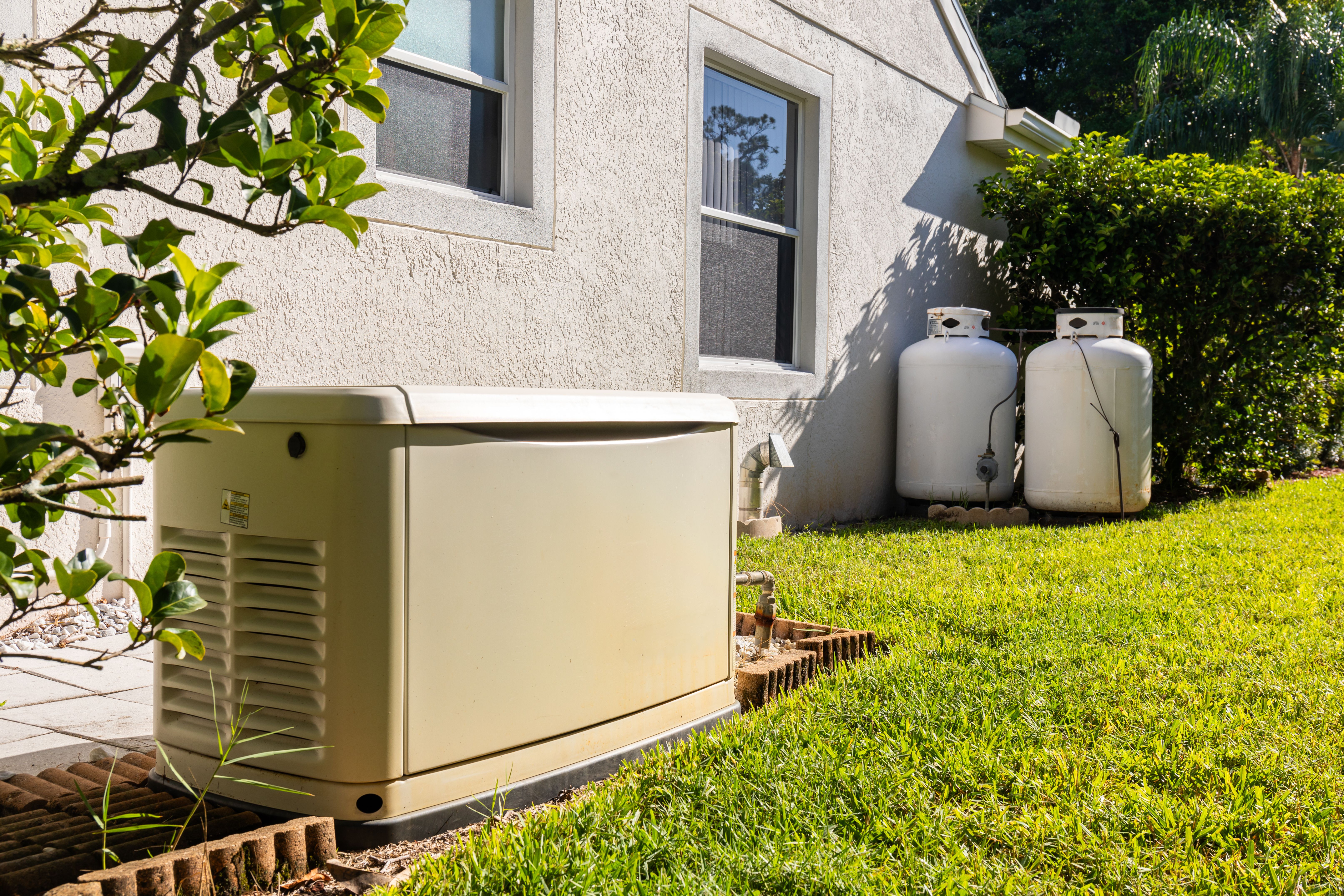
The placement of your backup generator is a critical aspect of the installation process. Ideally, the generator should be positioned in a well-ventilated area to prevent the buildup of dangerous exhaust gases. Additionally, it should be easily accessible for maintenance and repairs.
It's recommended to place the generator at least five feet away from doors, windows, and vents. This distance helps minimize the risk of carbon monoxide entering your home or building. Consult with local regulations and guidelines to ensure compliance with safety standards.
Ensuring Proper Electrical Connections
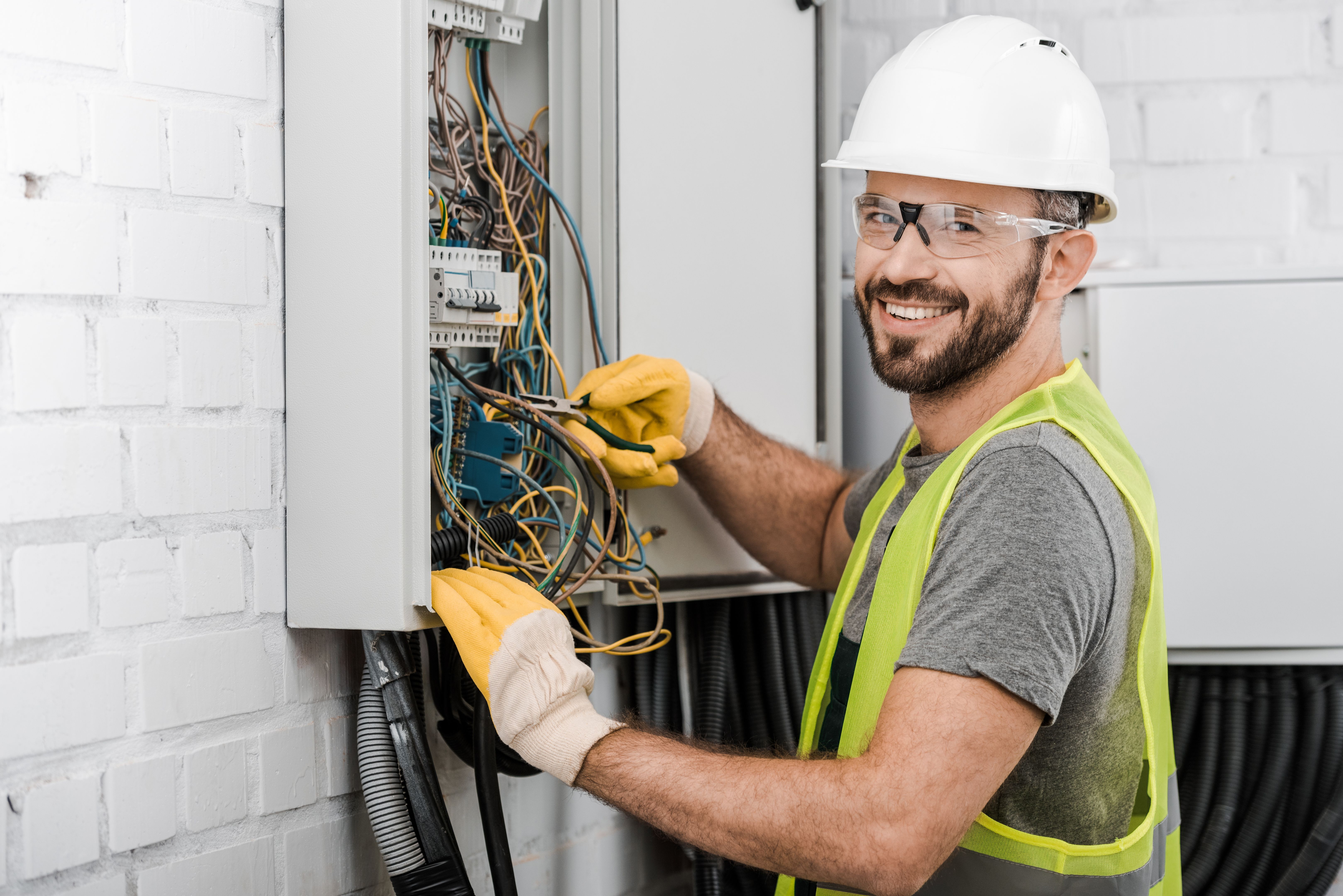
One of the most important steps in installing a backup generator is establishing safe and efficient electrical connections. This task should be handled by a licensed electrician to ensure it meets all safety codes and standards.
The electrician will install a transfer switch, which allows the safe transition of power from the grid to the generator. This switch prevents back-feeding, a dangerous condition where electricity flows back into the power lines, posing a risk to utility workers.
Regular Maintenance and Testing
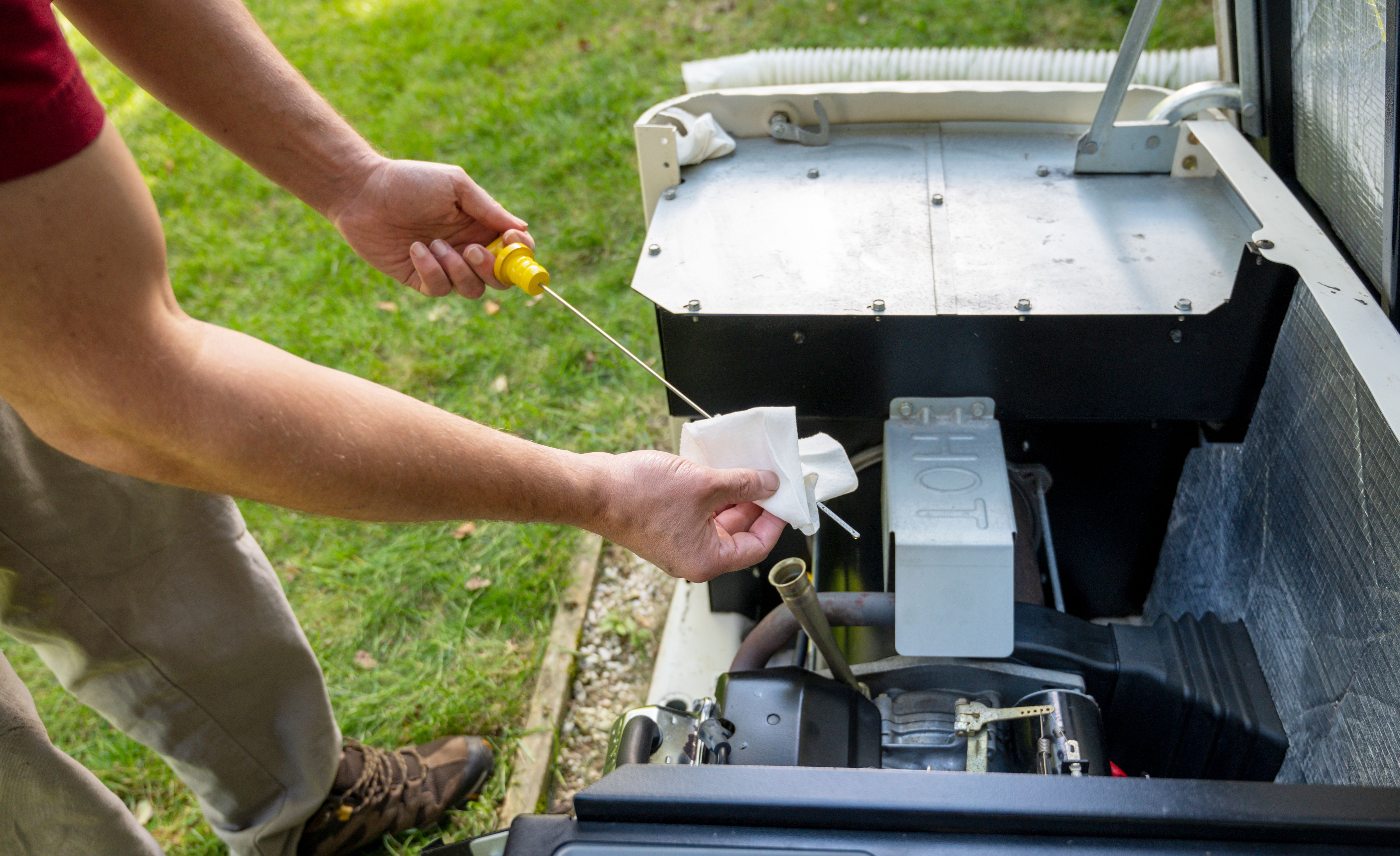
Once your backup generator is installed, regular maintenance is crucial to ensure its reliability. Schedule routine checks to inspect the fuel system, battery, and oil levels. Keep the generator clean and free from debris to prevent operational issues.
It's also important to test the generator periodically. Conducting a test run every month can help identify potential problems before an actual outage occurs. During these tests, ensure that the transfer switch is functioning correctly and that the generator starts and runs smoothly.
Safety Precautions to Follow
Safety should always be a top priority when dealing with backup generators. Never operate the generator indoors or in enclosed spaces, as this can lead to carbon monoxide poisoning. Always follow the manufacturer's instructions and safety guidelines.
In addition, ensure that the generator is properly grounded to prevent electrical shocks. Use durable, weather-resistant extension cords if necessary, and never overload the generator beyond its capacity.
Consulting with Experts
For those unfamiliar with electrical systems, consulting with a professional is highly recommended. An expert can help you navigate the complexities of installation, ensuring that your backup generator is set up safely and efficiently.
With these expert tips in mind, you can confidently install a backup generator, providing peace of mind and security during unexpected power outages. Remember, a well-installed generator is not only a convenience but also a crucial component of your emergency preparedness plan.