DIY Generator Installation: What You Need to Know


Understanding the Basics of Generator Installation
Installing a generator yourself can be a cost-effective way to ensure your home remains powered during outages. Before diving in, it's crucial to understand the types of generators available and what your specific needs are. Whether you're considering a portable or standby generator, each comes with its own set of requirements and installation processes.
Choosing the Right Generator
Before installation, selecting the appropriate generator is vital. Consider the power capacity you require. Calculate the wattage of essential appliances you plan to run during an outage. This helps in determining the size and type of generator you need. Additionally, decide between a portable generator, which is versatile but requires manual setup, or a standby generator, which offers automatic power restoration but involves more complex installation.
Gathering Necessary Tools and Materials
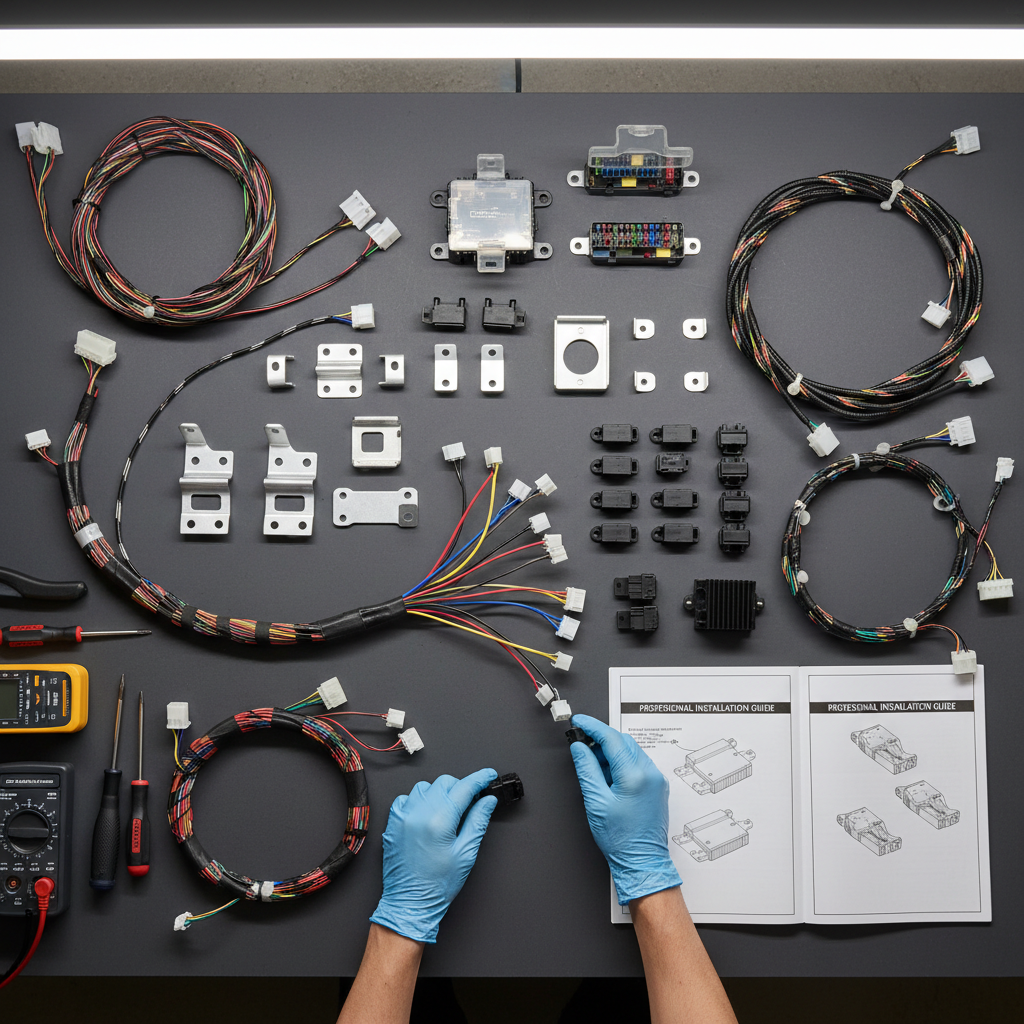
Once you've chosen your generator, the next step is to gather the necessary tools and materials. You will typically need wrenches, screwdrivers, a drill, and electrical tape. For standby generators, you might also need a concrete pad and a transfer switch. Ensure you have these items ready before beginning the installation process.
Preparing the Installation Site
Selecting the right location for your generator is crucial. It should be placed in a well-ventilated area, away from windows and doors, to prevent exhaust fumes from entering your home. For standby generators, a concrete pad or a sturdy platform is necessary to ensure stability and proper functioning.
Installing the Generator
With everything prepared, you can now begin the installation. For portable generators, connect the generator to a manual transfer switch using a generator cord. This allows you to safely switch between utility power and generator power. For standby generators, connect the generator to the transfer switch and your home's main electrical panel. This step might require the expertise of a professional electrician, especially if you're unfamiliar with electrical systems.
Testing and Maintenance
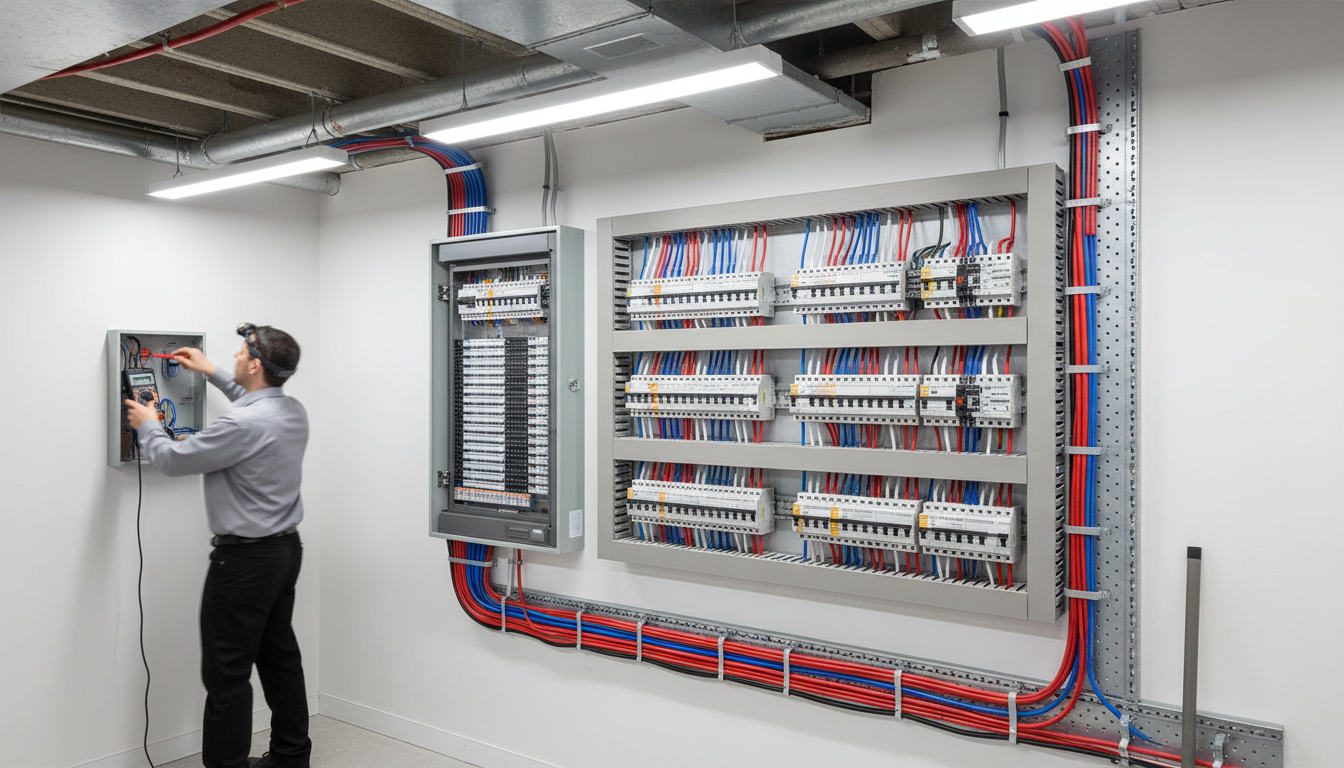
After installation, it's essential to test your generator to ensure it's working correctly. Run the generator and switch your home's power to it, checking that all connected appliances are receiving power. Regular maintenance is also crucial to keep your generator in good working condition. This includes checking oil levels, inspecting connections, and running the generator periodically to prevent fuel stagnation.
Safety Considerations
Safety is paramount when installing and operating a generator. Always follow the manufacturer's instructions and adhere to local building codes. Ensure your generator is properly grounded to prevent electrical shocks, and never operate it indoors or in enclosed spaces. Regularly inspect your generator for any signs of wear or damage.

Conclusion
Installing a generator yourself can be a rewarding project, providing peace of mind during power outages. By choosing the right generator, gathering necessary tools, and following safety guidelines, you can successfully complete the installation. However, don't hesitate to seek professional assistance if needed, especially when dealing with complex electrical systems. With proper installation and maintenance, your generator will serve as a reliable backup power source for years to come.