Debunking Common Myths About Generators


Introduction to Generator Myths
Generators are essential tools for providing backup power during outages or for powering remote locations. However, several myths about generators persist, leading to confusion and misconceptions. In this post, we'll debunk some of the most common myths surrounding generators to help you make informed decisions.
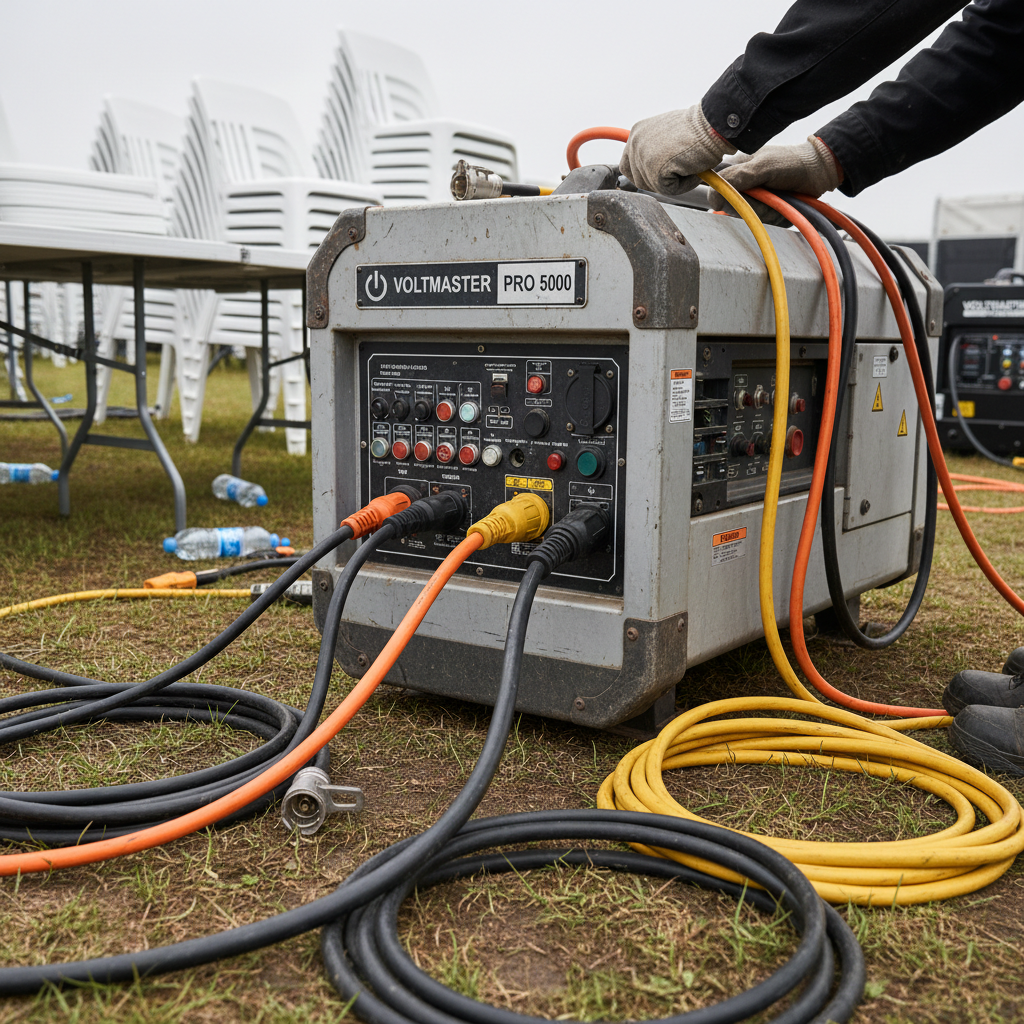
Myth 1: Generators Are Noisy
One of the biggest misconceptions is that all generators are noisy. While it's true that older models can be quite loud, modern generators have come a long way in terms of noise reduction. Many manufacturers now design generators with advanced mufflers and soundproofing technologies to ensure quieter operation. Investing in a newer model can significantly reduce noise levels, making generators suitable even for residential areas.
Understanding Noise Levels
Noise levels are measured in decibels (dB). Most of today’s generators operate at around 50-70 dB, which is comparable to normal conversation levels. When choosing a generator, check the specifications for noise output to ensure it meets your needs.
Myth 2: Generators Are Expensive to Run
Another common belief is that generators are costly to operate. While running a generator does incur some costs, advancements in technology have made them more fuel-efficient than ever before. Many models now offer features like eco-mode, which automatically adjusts engine speed to save fuel when the power demand is low.
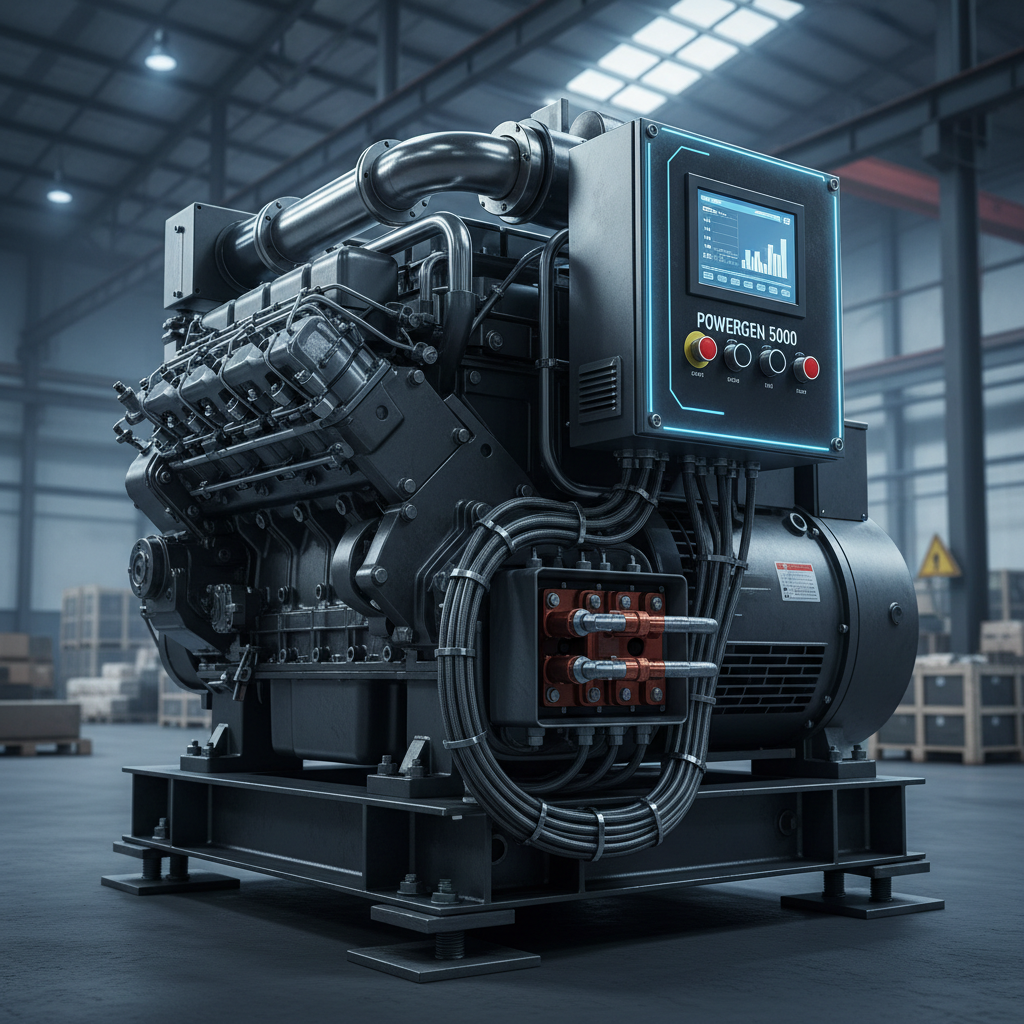
Fuel Efficiency Tips
To maximize fuel efficiency, consider the following tips:
- Choose a generator with the right capacity for your needs to avoid unnecessary fuel consumption.
- Regular maintenance can improve efficiency and extend the lifespan of the generator.
- Utilize renewable fuel sources, such as solar-powered generators, for cost-effective operation.
Myth 3: Generators Are Difficult to Maintain
Some people believe that maintaining a generator requires extensive technical knowledge. In reality, routine maintenance for generators is straightforward and can be managed by most homeowners. Basic tasks include checking oil levels, replacing filters, and inspecting spark plugs.
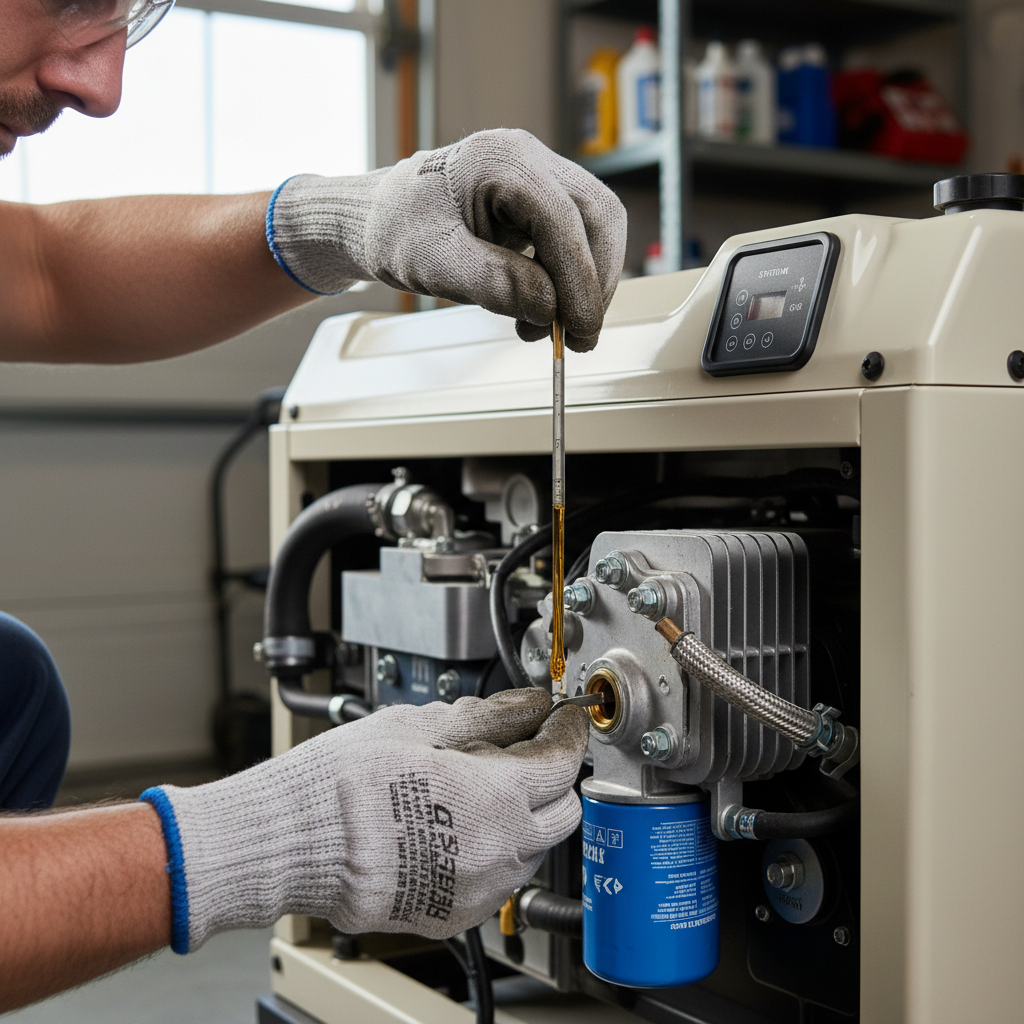
Regular Maintenance Benefits
Regular maintenance not only ensures optimal performance but also extends the life of your generator. Many manufacturers provide detailed maintenance schedules and guidelines, making it easier for users to perform necessary upkeep.
Myth 4: Generators Are Only for Emergencies
While generators are commonly associated with emergency power supply, they are versatile enough to be used in a variety of situations. Whether you're camping, hosting an outdoor event, or working on a remote job site, generators can provide reliable power whenever and wherever you need it.
Everyday Applications
Consider the following everyday uses for generators:
- Powering tools and equipment on construction sites.
- Providing electricity for outdoor gatherings or events.
- Supporting off-grid living with renewable energy options.
By debunking these myths, we hope to provide a clearer understanding of what modern generators can offer. With advancements in technology, generators are now more efficient, quiet, and versatile than ever before, making them a valuable asset for a range of applications.