Debunking Common Myths About Generator Safety


Understanding Generator Safety Myths
Generators are invaluable during power outages, but misconceptions about their safety can lead to improper use and potential hazards. It's crucial to understand these myths to ensure the safe operation of your generator and protect your home and family.

Myth 1: Generators Can Be Used Indoors
One of the most dangerous myths is that generators can be safely operated indoors. This is false. Generators emit carbon monoxide (CO), a colorless and odorless gas that can be deadly. Always use your generator outdoors, far away from windows, doors, and vents to prevent CO buildup inside your home.
Myth 2: Extension Cords Are Always Safe
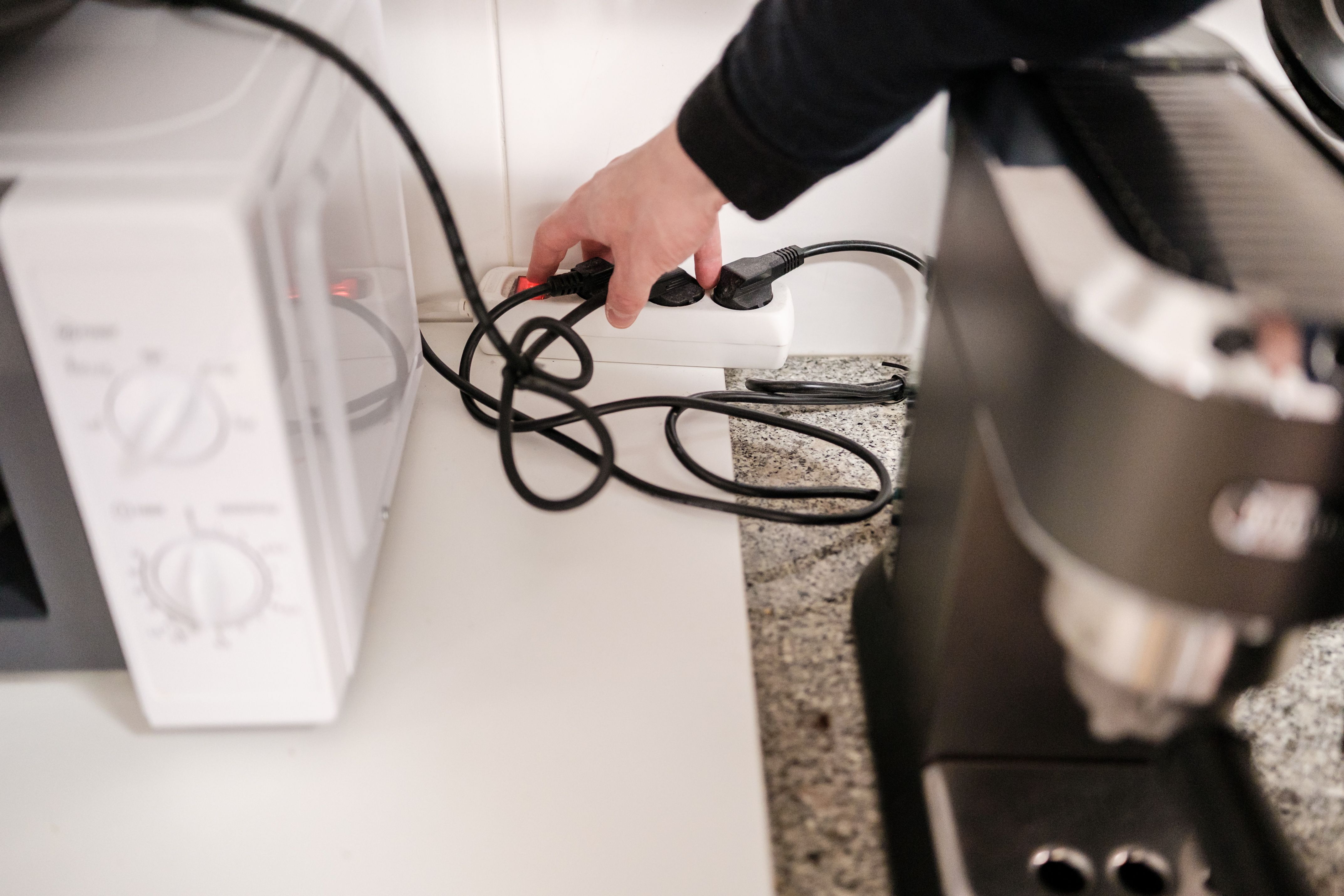
While extension cords are commonly used with generators, not all are suitable. It's important to use cords that are heavy-duty and rated for outdoor use to prevent overheating and fires. Additionally, ensure the cord is long enough to place the generator at a safe distance from your home.
Proper Generator Use and Maintenance
Understanding the correct use and maintenance of your generator can prevent many common issues. Proper care not only extends the life of your generator but also ensures safety during operation.
Myth 3: Generators Require Minimal Maintenance
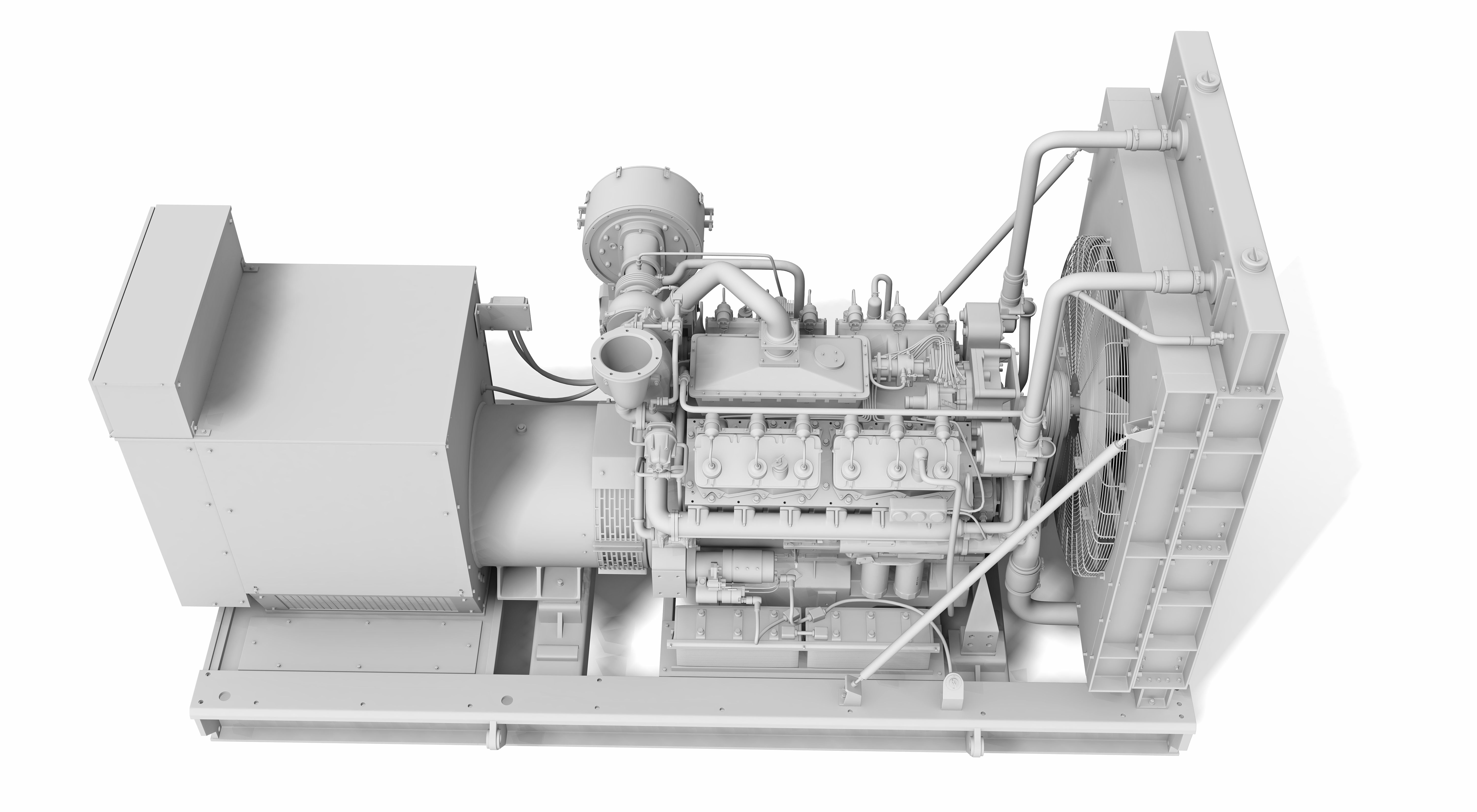
Some believe generators need little to no maintenance, but this is misleading. Regular maintenance, such as oil changes, filter cleaning, and spark plug checks, is essential for optimal performance. Consult the manufacturer's manual for a maintenance schedule tailored to your specific model.
Myth 4: Any Fuel Can Be Used
Using the wrong fuel is a common mistake. Generators are typically designed to run on gasoline, diesel, or propane. Using the incorrect fuel type can damage the engine and lead to dangerous malfunctions. Always follow the manufacturer's recommendations for fuel type and storage.
Safety Precautions and Recommendations
Adopting some straightforward safety precautions can significantly reduce the risks associated with generator use. Educating yourself and others about these practices is key to ensuring a safe environment.
Myth 5: Generators Can Run Unattended
Leaving a generator running unattended is a risky practice. Regular monitoring is necessary to ensure the generator is operating correctly and safely. Check fuel levels and listen for unusual noises indicating potential issues.

Myth 6: No Need for Professional Inspection
Lastly, many believe there's no need for professional inspection unless something goes wrong. However, regular inspections by a certified technician can identify potential issues before they become serious. This proactive approach can save money and enhance safety.
By debunking these common myths and adhering to proper safety measures, you can ensure your generator remains a reliable and safe source of power when you need it most.