Comprehensive Guide to Choosing the Right Generator for Your Home


Understanding Your Power Needs
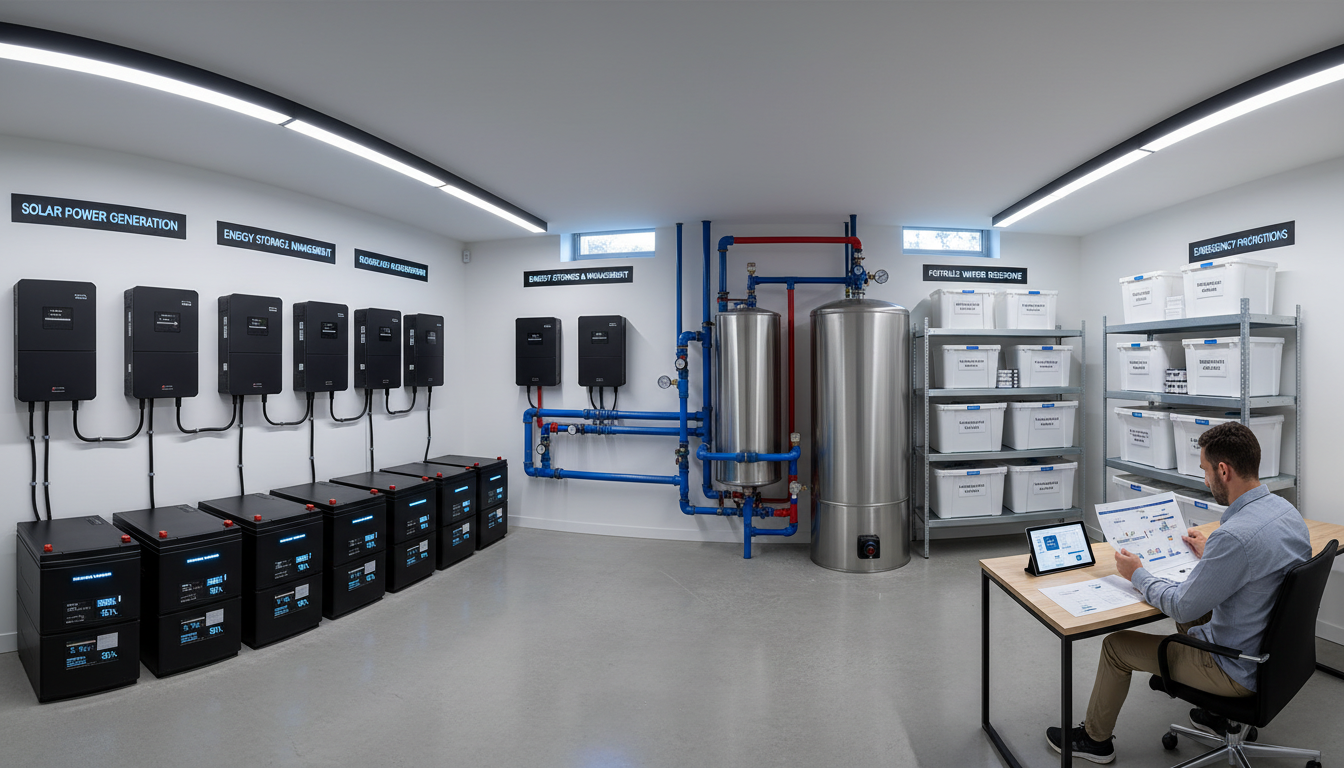
When selecting a generator for your home, the first step is to assess your power requirements. Consider the essential appliances and systems you need to keep running during an outage. These might include refrigerators, heating systems, and medical equipment. Make a list and calculate the total wattage to determine the size of the generator you need.
Types of Generators
Portable Generators
Portable generators are a popular choice due to their affordability and convenience. They can be easily moved around and are suitable for short-term power outages. However, they require manual setup and refueling, which can be cumbersome during extended outages.
Standby Generators
Standby generators are permanently installed and automatically start up during a power outage. They are ideal for long-term use and can power your entire home. Although more expensive, they provide peace of mind and require less maintenance.
Fuel Options
Generators can run on various fuel types, including gasoline, propane, and diesel. Each fuel type has its pros and cons. Gasoline is widely available but has a shorter shelf life, while propane is cleaner burning and can be stored for longer periods. Diesel generators are fuel-efficient but typically more expensive.
Installation and Maintenance
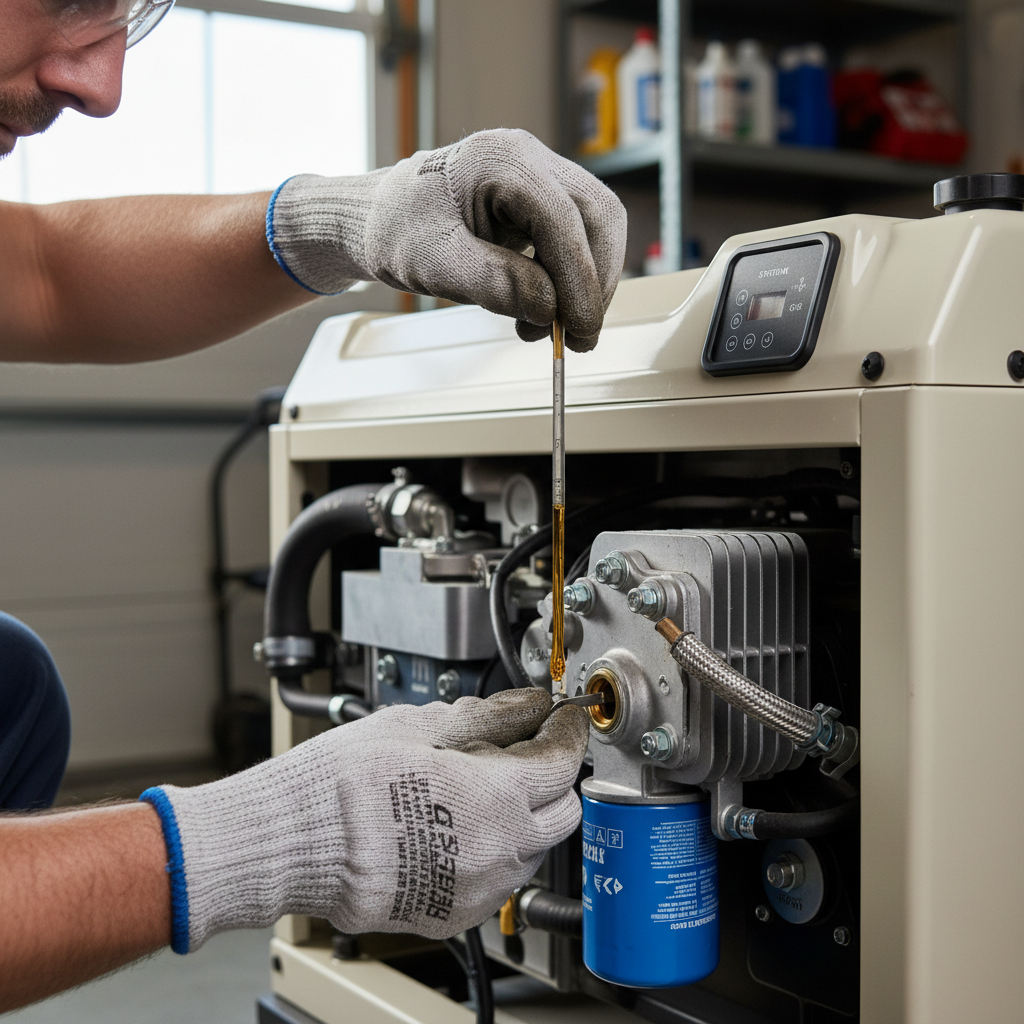
Proper installation is crucial for the safe operation of your generator. It's advisable to hire a professional to ensure compliance with local codes and regulations. Regular maintenance, such as oil changes and filter replacements, will extend the lifespan of your generator and ensure it’s ready when you need it.
Safety Considerations
Safety should be a top priority when operating a generator. Ensure it is placed in a well-ventilated area to prevent carbon monoxide buildup. Invest in a carbon monoxide detector for added safety. Additionally, never operate a generator indoors or in an enclosed space.
Conclusion
Choosing the right generator for your home involves understanding your power needs, selecting the appropriate type, and considering fuel options. With proper installation and maintenance, a generator can provide reliable power during outages, ensuring your home remains safe and comfortable.